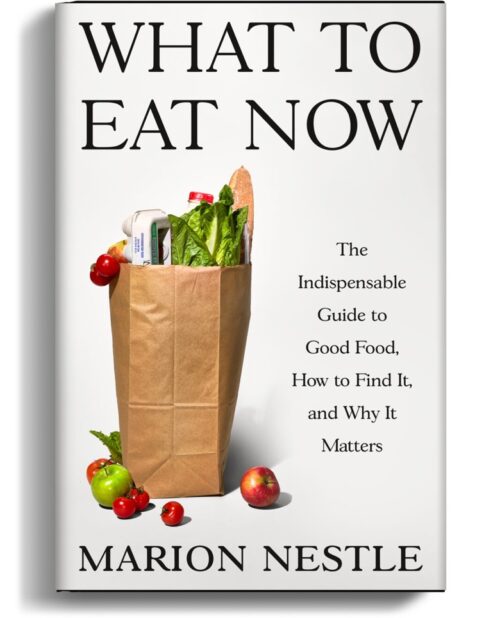

This is from 6:30-9:30 p.m. at The Greene Space, WNYC NPR Studios, 44 Charlton Street. For information and reservations, click here.

I am fortunate to be on the mailing list for Nicholas Fereday’s always-worth-reading Rabobank’s RaboResearch. This one is especially worth sharing: Talking Points: Anti-obesity medications—Will the food industry be the biggest loser?
It has been oer a year since the food industry finally woke up to the threats and opportunities of the new class of Anti-Obesity Medications (AOMs) such as Ozempic, Wegovy and Zepbound. And gosh, what a lot has happened since then. Chiefly, both the demand and supply of these drugs have exceeded all expectations and the momentum driving the market suggests they are highly likely to become a permanent feature of the food landscape. Doubly so as scientists keep finding further benefits from taking them – the weight loss effects of these drugs might ultimately prove to be their least remarkable feature. But for now, the impact of these drugs on the food industry is real. The challenge for the food industry is to figure out how to respond to that and unlock some of the opportunities these drugs create. Here are three points to consider:
1. The AOM market is much bigger and growing much faster than anticipated.
2. There are good reasons to believe demand has strong momentum.
3. Users of AOMs eat less and differently, providing a useful roadmap for food companies.
This is from 6:30-9:30 p.m. at The Greene Space, WNYC NPR Studios, 44 Charlton Street. For information and reservations, click here.