More information is here. Autumn Leaves Books is on the Commons.


I was sent the press release for an annual report from a long list of food trade associations: Feeding the Economy, “Ninth Annual “Feeding the Economy” Report Demonstrates Immense Impact of the American Food and Agriculture Industry Amidst Economic Challenges.”
The 2025 report confirms the agriculture industry is at the heart of the U.S. economy, generating more than $9.5 trillion in economic value, which amounts to 18.7% of the overall national economy.
The report, online and interactive, isn’t really about agribusiness: The big agribusiness companies—Cargill, Bayer, Corteva, Archer Daniels Midland, etc—are not sponsors. The first six alphabetically are
They want you to know what they collectively contribute to the economy. A lot.
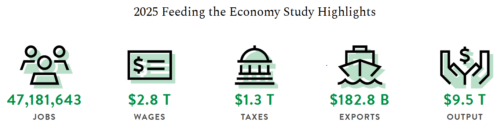 They also want you to know that times are tough.
Direct and indirect industry wages have grown year-over-year but have failed to keep pace with inflation, reflecting nationwide economic stressors and the high cost of labor for employers. Additionally, the number of agricultural manufacturing jobs has fallen year-over-year and is down nearly 30,000 jobs since 2020.
Times are tough for everyone these days. I wish this report had said more about the plight of small farmers and what could be done to help them.