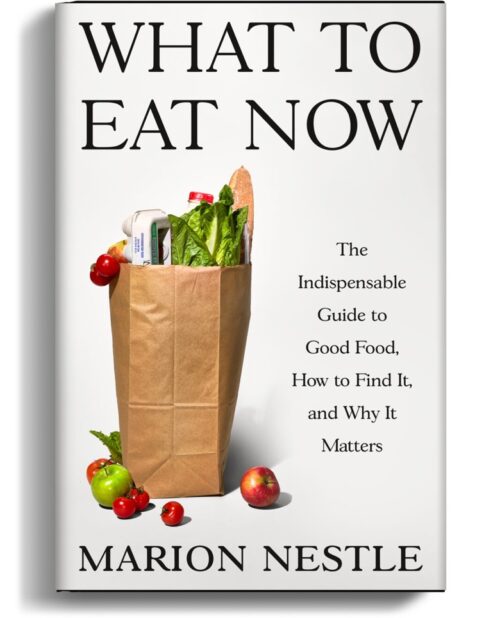
This is 6:00–8:00 p.m. at NYU’s Bobst Library. Registration and further information are here.

A new report just out from the Children’s Food Campaign of Sustain, a food advocacy group in the UK, says that its government’s Responsibility Deal with the food industry about marketing practices is good for food companies but not so effective for public health.
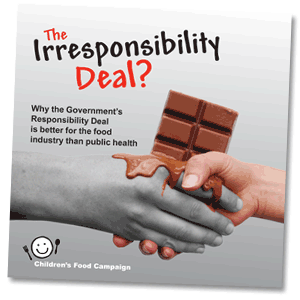
The report finds that the UK government’s Responsibility Deal is “likely to fail because industry commitments are weak, voluntary, and ignored by numerous big food companies.”
The UK Coalition Government launched its Public Health Responsibility Deal in March 2011. This covered five areas—food, alcohol, physical activity, health in the workplace, and behavior change.
The core of the Deal is voluntary partnership with industry.
Health Secretary Andrew Lansley promised industry that the Deal would be “built on social responsibility, not state regulation.” Instead, government would promote personal responsibility for health choices and voluntary agreements with companies.
Predictably, the report lists 33 national food companies that have failed to commit to one or more voluntary pledges on:
It also lists 13 well known companies, including Birds Eye, Budgens, Domino’s Pizza and Nandos that failed to sign up to any health pledges at all.
The campaign concludes: “food pledges are underwhelming.”
So much for voluntary partnerships and alliances. Nobody should be surprised.