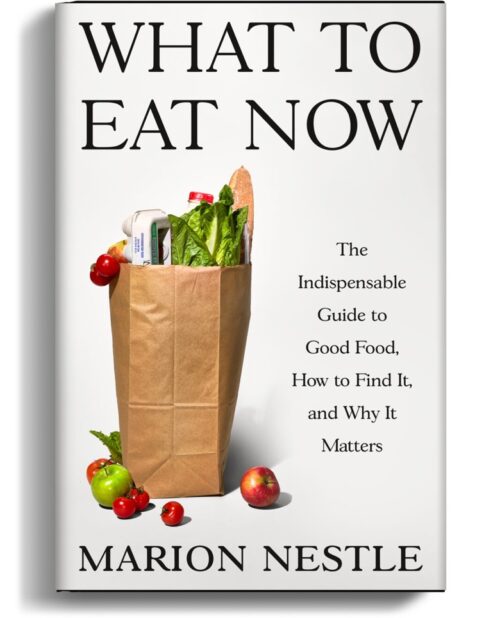

This is from 6:30-9:30 p.m. at The Greene Space, WNYC NPR Studios, 44 Charlton Street. For information and reservations, click here.
The Trump Administration has released its proposed budget for fiscal year 2021.
I emphasize proposed because Congress has to pass it before it goes into effect. What will Congress do? Time will tell.
With that said, here are the White House documents.
From the Hagstrom Report (thanks Jerry)
These sections are classic examples of double-speak. The words mean precisely their opposites. “Reform,” for example, really means cut budget and enrollment.
You want evidence? The budget proposes an 8% cut to overall USDA spending, with a $15 billion cut to SNAP.
The Fact Sheet summarizes SNAP proposals [with my translations]:
Reforming [cutting budget and reducing SNAP participation]the Supplemental Nutrition Assistance Program (SNAP).
The Budget proposes to strengthen work requirements to help all able-bodied adults participating in SNAP enter the job market and work toward self-sufficiency [lose eligibility for participation].
The Budget also promotes the use of data and technology to improve program integrity and streamline State operations [Tightening up on fraud will reduce participation].
Finally, the Budget proposes to combine the traditional retail-based SNAP electronic benefit with the direct provision of nutritious and 100 percent Americangrown USDA Foods, maintaining our commitment to helping needy families avoid hunger while generating substantial savings to the taxpayer and allowing innovative partnerships with the private sector [Really? USDA still hasn’t given up on Harvest Boxes?].
This is so awful that a group of Democratic members—all former recipients of SNAP benefits— wrote a letter to Trump expressing concerns.
Let’s hope Congress rejects these cuts.
The New York Times’ analyses
This is from 6:30-9:30 p.m. at The Greene Space, WNYC NPR Studios, 44 Charlton Street. For information and reservations, click here.