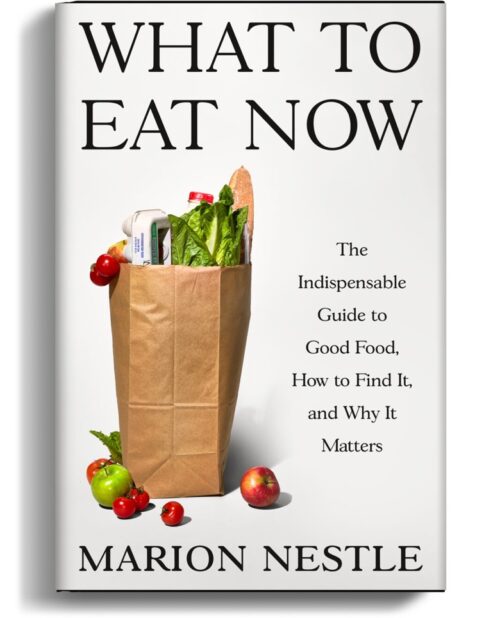
Information about the Aspen Ideas Festival is here. I am scheduled for a session, The American Wellness Paradox, currently scheduled from 11:00-11:50 a.m., at the East Lawn Tent. This will be a discussion with senior HHS policy advisor, Calley Means. Here’s the blurb on it: “Americans are spending more than ever on healthcare, supplements, wellness trends, and “clean eating,” yet rates of chronic disease and metabolic illness continue to climb. As skepticism fuels the rise of movements like MAHA, debates over what Americans should eat have become deeply cultural, political, and economic. Two influential voices with sharply different perspectives on nutrition and food science explore how food systems, farming practices, consumer culture, and the wellness industry collided to create one of the defining public health debates of our time.”
What’s happening with sweeteners?
We do love sweet foods. Alas, sugars have calories but nothing else of nutritional value and they are associated with poor health.
What are the poor makers of sugary foods and beverages to do? Here are some recent approaches.
- Are sweeteners leaving a sour taste with consumers? An ingredient developed from coca, considered amongst the most illicit and stigmatised plants on the planet, can cut sugar in beverages by up to 40%…. Read more
- Roquette and Bonumose team up to enhance scalability of tagatose, a rare sugar with 92% of the sweetness of sugar, and 38% of the calories:Bonumose has patented a low-cost production method it claims could catapult rare sugar tagatose from a niche to a mainstream sweetener…Tagatose does not raise blood glucose levels when consumed on its own and is Ketogenic Certified.Discover more
- Are sweeteners good or bad for the planet? Research suggests some could be more harmful to the environment than others…. Read more
And then there are the safety questions.
But questions about sugar substitutes have been swirling for decades, with scientists and public health officials suggesting they might come with certain health risks of their own. The research on how sugar substitutes affect our bodies is preliminary, complex and sometimes contradictory.
…But longer-term studies on sugar substitutes have found no weight loss benefits, and even some harms. For this reason, the World Health Organization recommended in 2023 that people avoid using sugar substitutes for weight control or better health, citing research that linked them to greater risks of health concerns like Type 2 diabetes, cardiovascular disease, obesity and earlier death. The sugar alcohols erythritol and xylitol have also been associated with a greater risk of heart attack and stroke.
What to do? For me this is easy.
- I don’t like the way they taste.
- They are a marker of ultra-processed foods.
- I don’t eat anything artificial if I can avoid it.
How harmful are they?
I don’t know for sure but would prefer not to be a guinea pig.