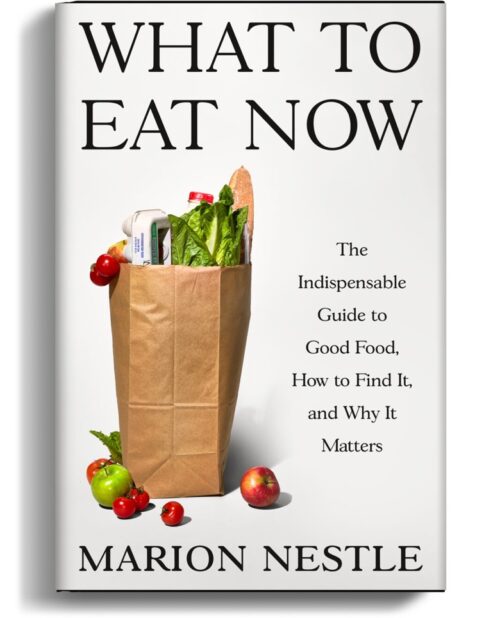
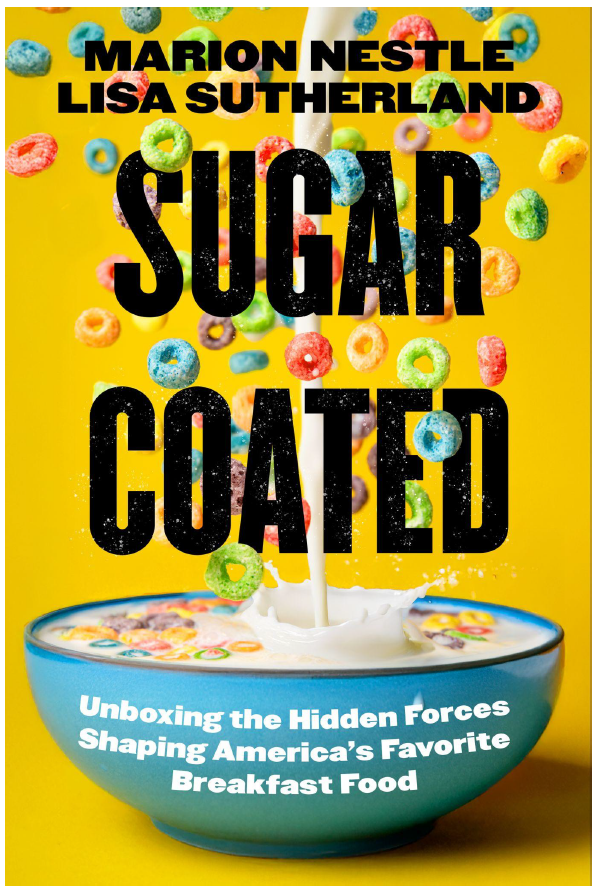
I will be discussing Sugar Coated at 1:00 p.m. ET. The link to the conversation is here.

I would not think the avocado industry would need to fund research on the benefits of avocados—surely the Superbowl takes care of sales—but its trade association is very busy.
The Hass Avocado Board has its own USDA-sponsored checkoff marketing program.
It also sponsors The Avocado Nutrition Center, where you can read all about the research studies it funds.
The avocado is well-loved but little-understood.
That’s why the Avocado Nutrition Center works to grow the world’s scientific understanding of the avocado.
Misinformation will fill the void if the pace of scientific knowledge does not match the pace of the avocado’s growing popularity.
I love avocados. But really?
Apparently so. Here are two recent examples.
I. The Effect of Daily Avocado Intake on Food and Nutrient Displacement in a Free-Living Population with Abdominal Obesity. Current Developments in Nutrition, Volume 8, Issue 10, 2024, 104451, https://doi.org/10.1016/j.cdnut.2024.104451.
Conclusion: Incorporating 1 avocado daily led to favorable modifications in the dietary composition of participants, including an increase in potassium and fiber intake, which can improve diet quality.
Sponsor: Hass Avocado Board.
II. Avocado consumption during pregnancy linked to lower child food allergy risk: prospective KuBiCo study. Pediatr Res (2025). https://doi.org/10.1038/s41390-025-03968-4. Thanks to Charles Platkin for this one.
Conclusion: Avocado consumption during pregnancy was associated with lower odds of infant food allergies at 12 months, even when accounting for potential covariates.
Conflict of interest: Three of the authors work for the Avocado Nutrition Center, Hass Avocado Board.
Comment: These are standard examples of what the late Sheldon Krimsky called the “funding effect,” the strong tendency of industry-funded studies to produce favorable outcomes. They raise the question: Would independent researchers do one-food studies like these if they were not funded by an interested party?
I will be discussing Sugar Coated at 1:00 p.m. ET. The link to the conversation is here.