More information is here. Autumn Leaves Books is on the Commons.

I wanted to know more when I read this article summary:
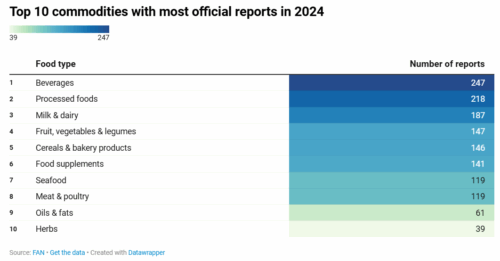
Food fraud: Spotlight on the most heavily targeted food products: New research shows the same foods – from beverages to dairy – are impacted by food fraud year after year… Read more
And what are they?
What kind of fraud are they talking about?
Leaning on FoodChain ID data, the report shows that botanical and animal origin fraud were the most prevalent in 2024 and over the last 10 years, with dilution also a major issue. In 2024, the use of non-standard substances was classed in third. “Botanical and animal origin fraud were the most reported type of food fraud in 2024, followed by use of non-food substance and dilution…of these frauds, using non-food substances in food has the potential to do the most harm as seen in the Sudan dyes in chilli powder and melamine in infant formula incidents.”
Shades of the early days of food adulteration. It’s still happening, apparently.