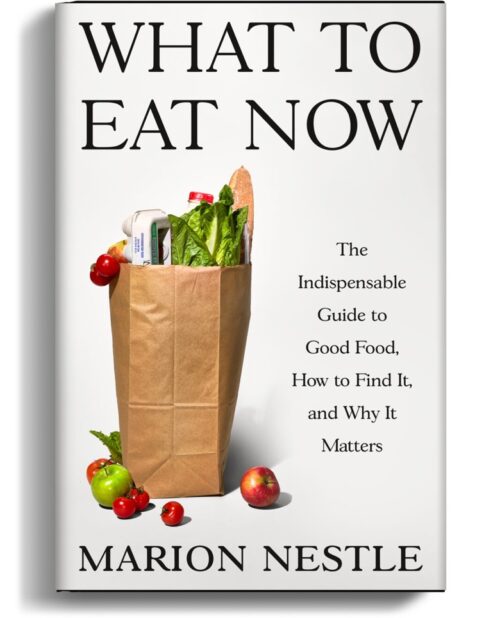

This will be at the bookstore, 6:00 to 8:00 p.m., a conversation with Lane Selman, founder of Portland’s Culinary Breeding Network, followed by audience Q&A and a book signing. Information and RSVP here.
Secretary Kennedy promised to define ultra-processed foods by April (after a call for input), but then said it may be too complicated to define these foods for policy purposes.
Apparently not.
Healthy Eating Research convened an expert panel.
It made three recommendations:
A food product is ultra-processed if it contains at least one
Cosmetic additive
Examples: flavors (natural or artificial), emulsifiers, sweeteners (both sugar and non-sugar), colors (natural or artificial), thickeners, bulking agents, gelling agents, glazing agents, carbonating agents, anti-foaming agents, and other additives recognized by FDA or Codex technical classifications.
And/or
Non-culinary ingredient
Examples: casein, dextrose, high-fructose corn syrup, maltodextrin, modified starch, protein isolates (e.g., soy or whey), hydrogenated or interesterified oils, mechanically separated meats, lactose, lecithin, and others.
Some ingredients do not mark foods as ultra-processed:
Foods that meet the FDA’s definition for “Healthy” claims are not considered ultra-processed. These contain:
Using this definition, the panel recommended a broad range of policies to deal with ultra-processed foods. These are worth a look and further discussion. See:
FDA: take note. This ought to work. Now you can get started on some policy actions!
This will be at the bookstore, 6:00 to 8:00 p.m., a conversation with Lane Selman, founder of Portland’s Culinary Breeding Network, followed by audience Q&A and a book signing. Information and RSVP here.