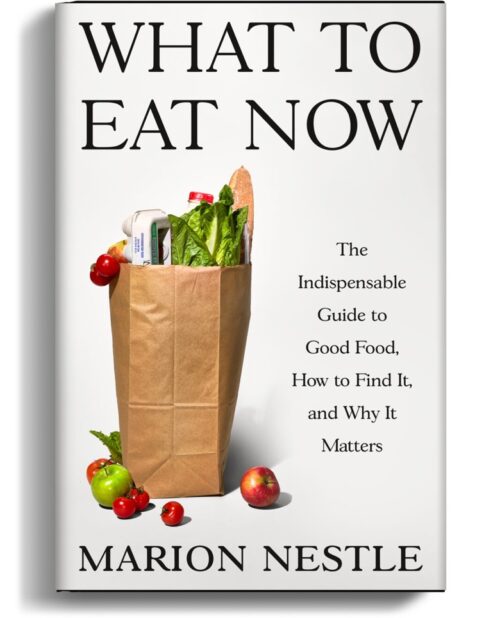
This is 6:00–8:00 p.m. at NYU’s Bobst Library. Registration and further information are here.


The FDA has just announced the opportunity for anyone interested to comment on how the agency plans to evaluate the scientific validity of health claims on food labels as a basis for allowing them. In case you haven’t noticed, just about every product in supermarkets boasts some health benefit, no matter how absurd the idea that eating a particular breakfast cereal might really prevent you from getting heart disease. Health claims are not really about health. They are about selling food products. So any time the FDA tries to deny a health claim, the company takes the agency to court. The courts say the First Amendment protects commercial speech so food companies can say pretty much anything they want to about the health benefits of their products. The FDA keeps trying to require some basis for scientific substantiation of health claims and this is its latest effort. I put “rules” in quotes because its new guidance document represents the FDA’s “current thinking on this topic. It does not…operate to bind FDA or the public.” My opinion: health claims should be allowed on food products. Foods are foods; they are not drugs and health claims are invariably misleading. Never mind. It’s too late for that. But at least let’s require some evidence for health claims. If you want to weigh in on this issue, here’s your chance. The FDA wants comments by September 7.