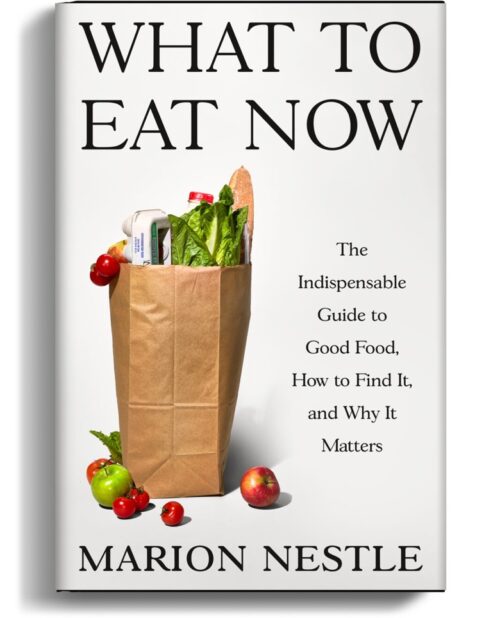
This is 6:00–8:00 p.m. at NYU’s Bobst Library. Registration and further information are here.


The Wall Street Journal, that increasingly surprising newspaper, wants to know whether whether food companies can be expected to police their own food safety procedures. Hardly, says the excellent writer of yesterday’s article, Jane Zhang. “…this system of ‘preventive controls’ has worked in the past only with adequate regulatory enforcement and industry support–neither of which is guaranteed.” She quotes Mike Taylor, a former official in FDA and USDA: “The reason you have regulation is some companies don’t have the market incentive to meet high food-quality standards…the public doesn’t trust a system that leaves it entirely to the industry.” Indeed. If the Wall Street Journal thinks we need better food safety regulation, maybe its time has come?