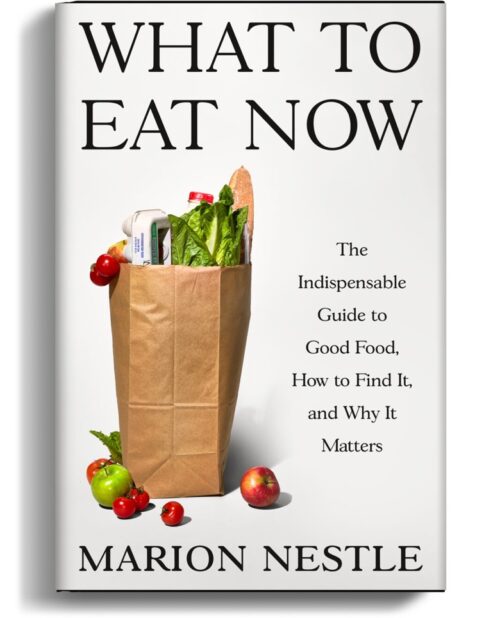

This will be at the bookstore, 6:00 to 8:00 p.m., a conversation with Lane Selman, founder of Portland’s Culinary Breeding Network, followed by audience Q&A and a book signing. Information and RSVP here.

Katherine asks about whole grains: “This whole argument makes my head hurt. As some one who is currently needing to make changes in their lifestyle, whether or not to include grains is a question for which I can find no clear answer on. Frankly at this point, I am just confused….”
I agree that the labeling is confusing but the dietary advice is pretty clear and well backed by research: whole grains are good to eat. Whole grain means just what it says–the entire seed of wheat, rice, or whatever. Whole grains contain all of the nutrients–vitamins, minerals, fiber, antioxidants–in the seed. Processing removes much of these, leaving just the calories and starch. So you want to look for 100% whole grain. I’m not aware of any controversy over the benefits of whole grains; the evidence for their nutritional benefits is quite strong. The arguments are about processed grains that have much of their nutritional value removed. Does that help?
This will be at the bookstore, 6:00 to 8:00 p.m., a conversation with Lane Selman, founder of Portland’s Culinary Breeding Network, followed by audience Q&A and a book signing. Information and RSVP here.