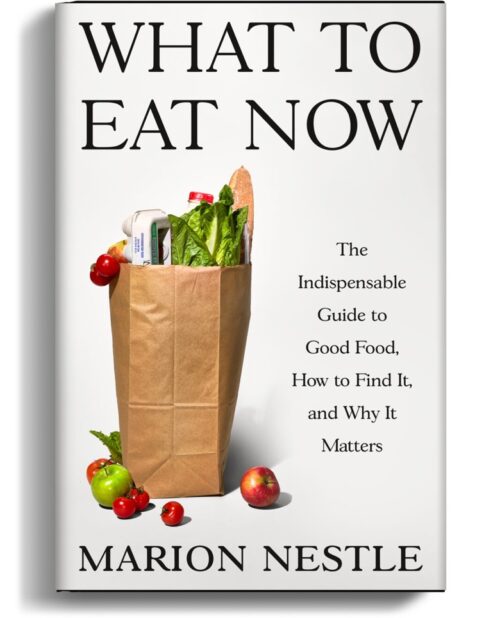
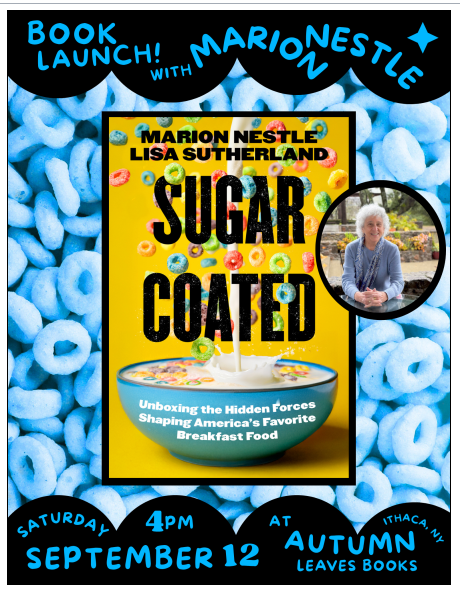
More information is here. Autumn Leaves Books is on the Commons.

FoodNavigator.com has a special issue on obesity research. Its reports are based on single studies that may or may not agree with previous research and, therefore, require some interpretation.
Zero-calorie sweeteners do not prompt overeating, finds study: People do not compensate with extra calories after consuming foods and drinks sweetened with zero-calorie sweeteners, suggests a new study published in the journal Appetite…
Fruit flies help explain why diet success varies: A study on fruit flies has indicated that genetic interaction with diet has a greater impact on body weight than diet alone, which the researchers say can help explain different reactions to similar diets….
Sucralose does not promote weight gain: Human study: Consumption of sucralose and sucralose-sweetened products does not affect gut hormones linked to hunger, or detrimentally affect blood sugar levels, says a new study from Australia….
Food addiction: Fat may rewire brain like hard drugs: Overeating may be driven by a same neurobiological mechanism in the brain as drug addition, says a new study from the US that adds clout to the theory ‘food addiction’….
Overeating drives fat gain at the hips, says obesity-related study: Fat tissues in the upper and lower body may gain weight differently, says a new study which deepens our understanding of fat accumulation and obesity….
Two of these studies are about the effects of artificial sweeteners on hunger, satiety, calorie intake, and weight gain. In contrast to previous studies, both of these find that sweeteners do not cause people to eat more to compensate for the reduced calories.
I’m guessing we will be hearing more about this topic, as new research results come in. Stay tuned.