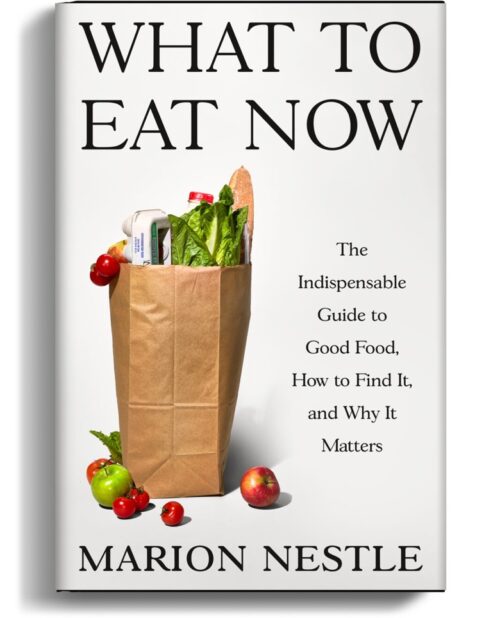
This will be at the bookstore, 6:00 to 8:00 p.m., a conversation with Lane Selman, founder of Portland’s Culinary Breeding Network, followed by audience Q&A and a book signing. Information and RSVP here.
The UK Government has “quietly disbanded” its independent advisory group on obesity. Apparently, it didn’t like the advice it was getting.
The firing is quite understandable. The group was appointed by the previous government as a result of recommendations in what is known as the Foresight report: Tackling Obesities: Future Choices. This report advised mapping out strategies for obesity interventions that went way beyond education about personal food choices.
The expert group followed this advice and recommended public health programs to change the food environment and counter food industry marketing.
The new government, however, prefers a “nudge” strategy. Derived from behavioral economics, “nudge” involves no compulsion (e.g., taxes on junk foods). Instead, people are free to follow advice to eat better but don’t have to.
Thus, the government’s Call to Action on Obesity in England focuses on individual responsibility and says nothing about the influence of food and drink marketing on food choices.
Two members of the expert committee, Goeffrey Rayner and Tim Lang, have publicly criticized “nudge” as “a smokescreen for inaction.”
No wonder the group was fired.
But as Professor Lang explains:
The closure of the expert advisory group is bad news all round: bad politics, bad policy, and bad science. It shuts the door on an important attempt by the state to recognise the systemic nature of what drives obesity…It’s plain as a pikestaff that obesity requires systems change, not a tweak here and there, yet that is what is being offered.
Doing something about obesity requires eating less and eating better, both very bad for business. For this UK government, business interests trump those of public health.
This will be at the bookstore, 6:00 to 8:00 p.m., a conversation with Lane Selman, founder of Portland’s Culinary Breeding Network, followed by audience Q&A and a book signing. Information and RSVP here.