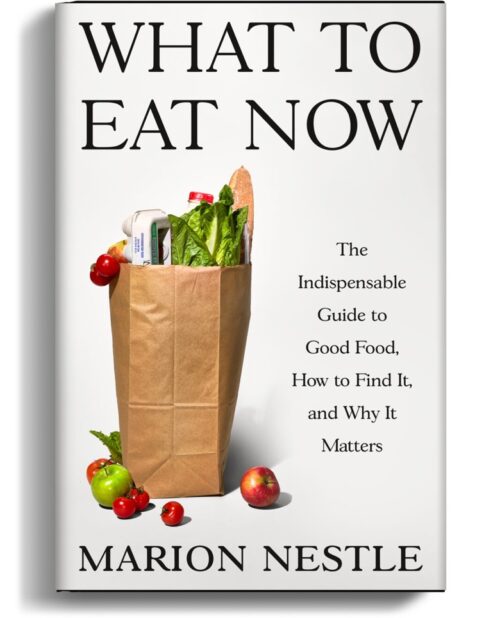
This will be at the bookstore, 6:00 to 8:00 p.m., a conversation with Lane Selman, founder of Portland’s Culinary Breeding Network, followed by audience Q&A and a book signing. Information and RSVP here.
This article in Feed & Grain caught my attention: Cargill intends to sell its poultry business in China to private equity firm DCP Capital, according to reports.
Cargill is the tenth largest broiler producer in the world; it was responsible for the slaughter of an astonishing 625 million broilers last year, of which 49 million were in China.
You don’t hear much about Cargill because it is not publicly traded. It is family held, but huge: 155,000 employees, annual revenues of more than $134 billion.
It makes that money from food oils, ingredients, grains, oilseeds, cotton, animal feed, and financial services.
According to this article,
Cargill in 2013 inaugurated its integrated poultry operation in Lai’an, Anhui, China, which included every stage of the supply chain: breeding, raising, feed production, hatching, slaughtering and processing…The company also opened a new US$48 million poultry complex in Chuzhou, Anhui, in 2019. That operation included breeding, raising, feed production, hatching and primary and further processing capabilities.
Now, Cargill is selling off its Chinese enterprises to venture capital.
Cargill must think it best to get out of China.
The venture capital company must think money can still be made there.
This, it seems to me, is an example of what is happening to the global food supply.
It is no longer about making sure that people have enough to eat and do not go hungry.
Food is about making money for investors.
That means keeping costs as low as possible, regardless of the effects on health or the environment.
This will be at the bookstore, 6:00 to 8:00 p.m., a conversation with Lane Selman, founder of Portland’s Culinary Breeding Network, followed by audience Q&A and a book signing. Information and RSVP here.