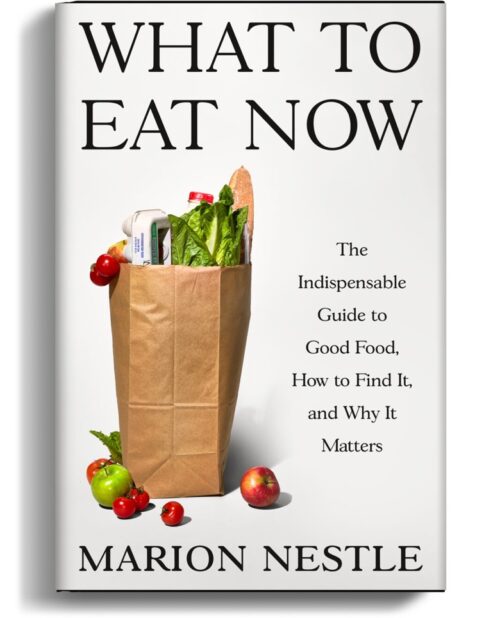

This will be at the bookstore, 6:00 to 8:00 p.m., a conversation with Lane Selman, founder of Portland’s Culinary Breeding Network, followed by audience Q&A and a book signing. Information and RSVP here.
The Make America Healthy Again (MAHA) commission was rumored to be releasing its second report, this one on policy, yesterday, but that did not happen.
CNN reported: “New ‘Make America Healthy Again’ report to be released in weeks”
The commission is “on track” to deliver its report to the White House by August 12, White House spokesman Kush Desai said in a statement. “The report will be unveiled to the public shortly thereafter as we coordinate the schedules of the President and the various cabinet members who are a part of the Commission.”
We have had plenty of hints about what it might be promoting:
According to Politico, after an
outcry from major food businesses and farm groups that are traditionally allies to Trump, the White House promised to stay away from a crackdown on pesticides and avoid surprising the food industry with new additive targets or regulations. Industry insiders are expecting the report to…secure more voluntary commitments from companies on the transition to natural food dyes, define “ultra-processed foods,” update the Dietary Guidelines for Americans, reform the “generally recognized as safe” designation and limit recipients of federal food aid from purchasing junk food with their benefits.
I love Politico’s quote from a food industry lobbyist: “The White House has certainly gotten the message, both from agriculture and the food sector, that they are on the edge of a nanny state…Like this is Michelle Obama on steroids. The message we’ve gotten from the White House is, ‘Don’t worry, we’re not letting the crazy people run rampant over the food sector.’”
In anticipation of the report’s release, Food and Water Watch issued a statement: “Making America Healthy Will Require Big Ag Confrontation, Not Capitulation.”
The MAHA Commission’s report is a smokescreen designed to draw attention away from the Trump Administration’s dangerous deregulatory agenda. The report will be most notable in what it lacks: any real action on glyphosate, linked to rising cancer rates nationwide…Food & Water Watch research finds that Bayer has spent over $21 million on federal lobbying since the federal Cancer Gag Act…in 2023… — a 43 percent increase over the past ten quarters. State spending is also on the rise. In the past year, Bayer spent more on lobbying than any other year on record in Iowa, a key battleground state where 89% of voters oppose the Cancer Gag Act. The bill failed.
Clearly, much is at stake. It looks like MAHA versus the realities of MAGA.
I can’t wait to see how this one resolves and hope the wait isn’t too long. Stay tuned for this one.
Addition August 15: The New York Times seems to have gotten a leaked copy.of the report. It has plenty to say about this early draft.
This will be at the bookstore, 6:00 to 8:00 p.m., a conversation with Lane Selman, founder of Portland’s Culinary Breeding Network, followed by audience Q&A and a book signing. Information and RSVP here.