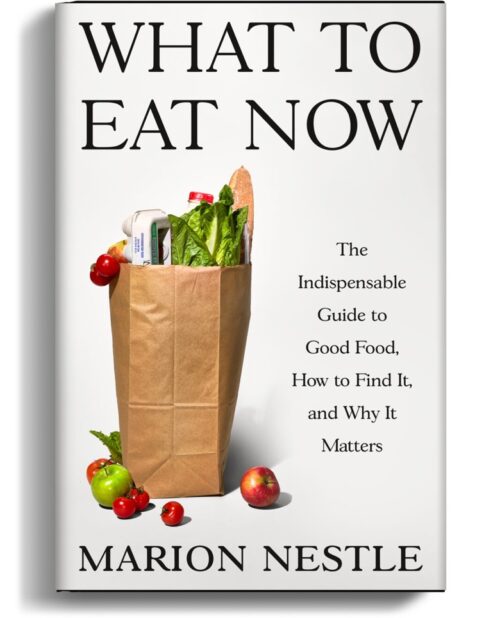
Information about the Aspen Ideas Festival is here. I am scheduled for a session, The American Wellness Paradox, currently scheduled from 11:00-11:50 a.m., at the East Lawn Tent. This will be a discussion with senior HHS policy advisor, Calley Means. Here’s the blurb on it: “Americans are spending more than ever on healthcare, supplements, wellness trends, and “clean eating,” yet rates of chronic disease and metabolic illness continue to climb. As skepticism fuels the rise of movements like MAHA, debates over what Americans should eat have become deeply cultural, political, and economic. Two influential voices with sharply different perspectives on nutrition and food science explore how food systems, farming practices, consumer culture, and the wellness industry collided to create one of the defining public health debates of our time.”
What’s My Take on Diet Books?
That same commenter had a second question: “What’s your take on all the diet books that are out there these days?”
I’m not sure which ones you mean in particular, but it doesn’t matter. They are all pretty much the same. They promise that if you just do this one thing, weight will pour off. All of them work–for some people, for some period of time. All of them say they are easy to follow and are a breakthrough, and all provide a semblance of biological rationale (some better than others). Whatever the gimmick–low fat, low carbohydrate, high volume of fruits and vegetables, low glycemic index, whatever–all have to be based on some method to reduce calories. Calories count. That’s why it matters to eat less and move more. Diets that suggest “eat more” fruits, vegetables, and whole grains, however, do make sense. But the ones that suggest eating more fat usually don’t (because fat has more concentrated calories). Whatever the diets suggest, they are unlikely to be harmful for a few weeks.