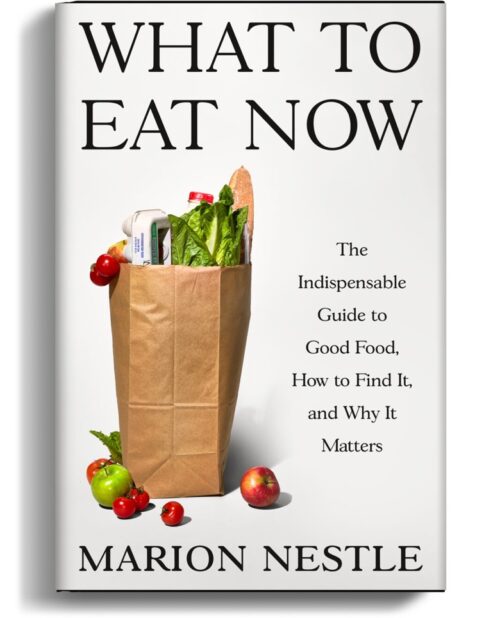
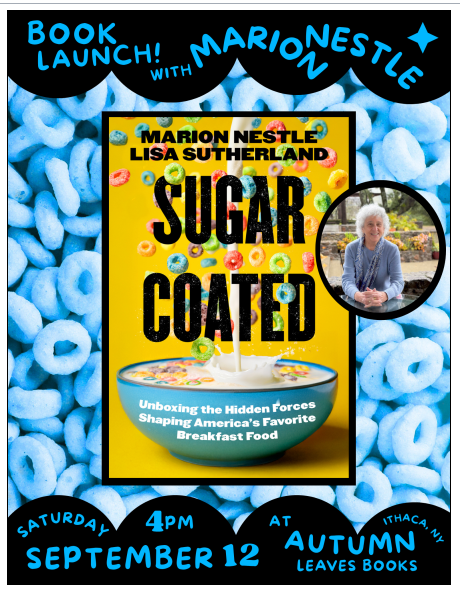
More information is here. Autumn Leaves Books is on the Commons.

The Rudd Center at Yale is devoted to establishing a firm research basis for obesity interventions. Its latest contribution is a paper in the Milbank Quarterly from its director, Kelly Brownell, and co-author Kenneth Warner, an equally distinguished anti-smoking researcher from the University of Michigan. Its provocative title: The perils of ignoring history: Big Tobacco played dirty and millions died. How similar is Big Food?
The paper is getting much attention. A spokesman for the American Dietetic Association, a group well known for its close ties to food companies, emphasizes that food is not tobacco. Of course it’s not. But food companies often behave like tobacco companies, and not always in the public interest. The Milbank paper provides plenty of documentation to back up the similarity. Worth a look, no?
April 3 update: Evidently, FoodNavigator.com thinks so. It is asking readers to file 100 word comments on issues raised by the paper by April 8. And here are the comments.