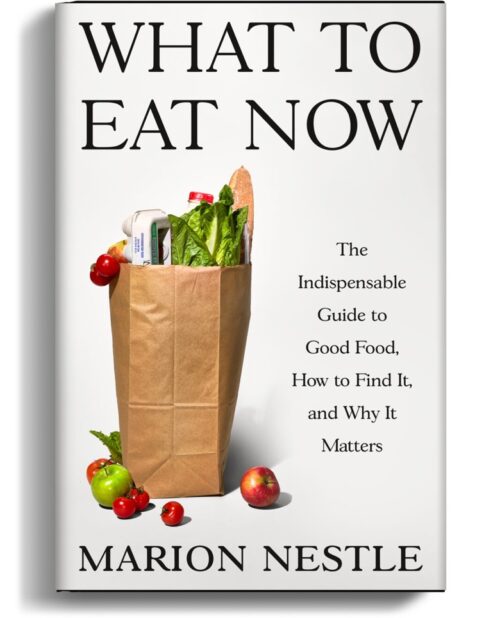
Information about the Aspen Ideas Festival is here. I am scheduled for a session, The American Wellness Paradox, currently scheduled from 11:00-11:50 a.m., at the East Lawn Tent. This will be a discussion with senior HHS policy advisor, Calley Means. Here’s the blurb on it: “Americans are spending more than ever on healthcare, supplements, wellness trends, and “clean eating,” yet rates of chronic disease and metabolic illness continue to climb. As skepticism fuels the rise of movements like MAHA, debates over what Americans should eat have become deeply cultural, political, and economic. Two influential voices with sharply different perspectives on nutrition and food science explore how food systems, farming practices, consumer culture, and the wellness industry collided to create one of the defining public health debates of our time.”
Worldwide food security (insecurity would be more like it)
The USDA has issued dismal new estimates of food security in70 developing countries. Food insecurity means different things depending on where you are. In the United States, food insecurity means the lack of a reliable source of adequate food. In developing countries it means consuming less than an average of 2,100 calories a day. The number of people in developing countries who are food insecure rose by 11% from 2007 to 2008 and is expected to rise even further in 2009. This is the result of the economic downturn which, unsurprisingly, has worse effects on the poor than the rich. This trend is not a good one. Food insecurity is not only bad for health; it also leads to political instability. That is why everyone has a stake in making sure that everyone has enough to eat. The USDA report needs to lead to action.
[Posted from Anchorage]