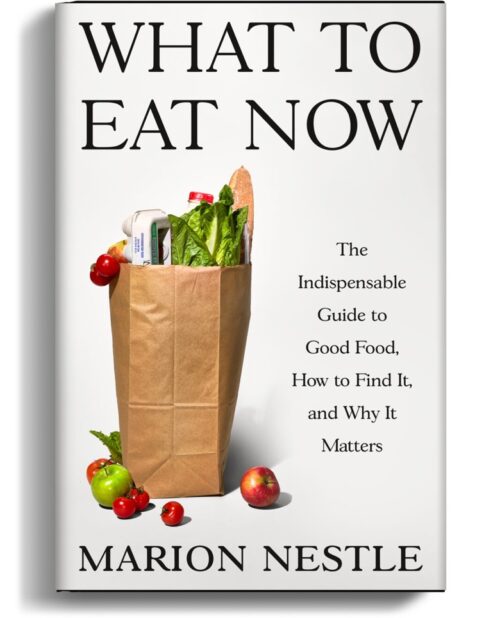
This is 6:00–8:00 p.m. at NYU’s Bobst Library. Registration and further information are here.


The Institute of Medicine’s long awaited study, Strategies to Reduce Sodium Intake in the United States, will be released next week at a public briefing in Washington, DC.
According to study director Chris Taylor, the briefing will be held Wednesday, April 21, from 10:00 a.m. to 11:00 a.m. at the National Press Club, 529 14th Street, NW, Washington, DC. Those who cannot attend can listed to a live audio Webcast at http://www.nationalacademies.org/. Anyone who wants to attend should register at http://www.iom.edu/Activities/Nutrition/ReduceSodiumStrat.aspx. For information, contact the news office at the National Academies, (202)-334-2138 or onpi@nas.edu.
In what can hardly be a coincidence, General Mills has announced that it will be reducing the sodium in several lines of its products by 20% between now and 2015.
The great majority, perhaps 80%, of the salt in U.S. diets comes from processed and pre-prepared foods. If salt is to be lowered, the processed food and restaurant industries must do it. Just about everyone agrees that salt reduction has to occur gradually and across the board. It’s great that General Mills is signing on to this effort.