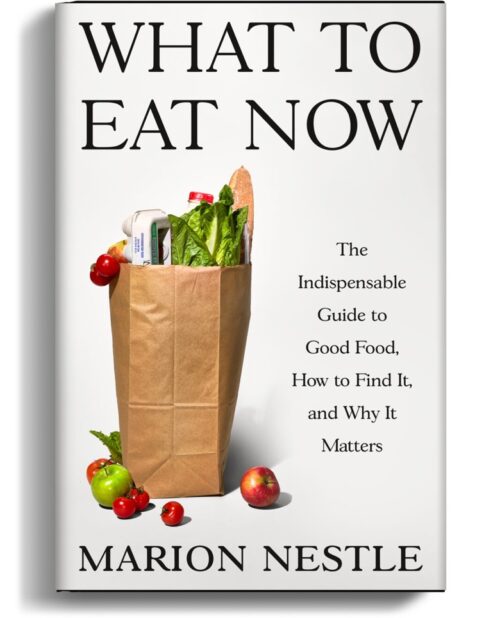
This will be at the bookstore, 6:00 to 8:00 p.m., a conversation with Lane Selman, founder of Portland’s Culinary Breeding Network, followed by audience Q&A and a book signing. Information and RSVP here.

In devising science-based nutrition standards for school meals, USDA’s goal was to promote healthier diets.
You might think everyone would rally around proposals to help America’s kids grow up healthier, but no. Special interests are at stake.
Jerry Hagstrom writes that “First Lady has food industry in a frenzy.”
Over the decades the food industry, school food service directors, farmers, and the rest of agribusiness have won many battles with nutritionists and the medical profession over government policies on what Americans should eat.
Interesting lineup of allies, no?
Last week, Congress held a hearing on all the complaints it’s getting about school meals.
Politico Morning Agriculture reports that the issue is cupcakes—again.
THE CUPCAKES ARE SAFE: The Department of Agriculture does not intend its proposed rules on the marketing or sale of junk foods in schools to prohibit class treats, Agriculture Secretary Tom Vilsack said during a hearing held by the House appropriations agriculture subcommittee Friday.
“We are not going to stop mom or dad from bringing in cupcakes,” Vilsack said.
The arguments over school food are not about kids’ health.
They are about who makes the most money from taxpayer subsidies of school meals.
School food service directors are on the wrong side of this one, alas.
This will be at the bookstore, 6:00 to 8:00 p.m., a conversation with Lane Selman, founder of Portland’s Culinary Breeding Network, followed by audience Q&A and a book signing. Information and RSVP here.