
This is from 6:30-9:30 p.m. at The Greene Space, WNYC NPR Studios, 44 Charlton Street. For information and reservations, click here.

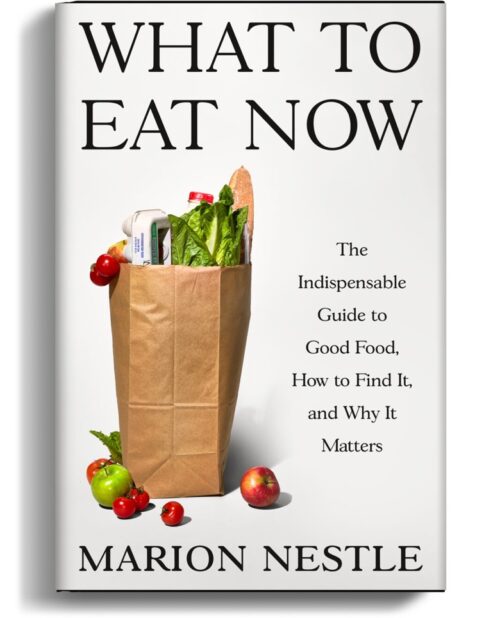
Friends and colleagues are asking me about reactions to Soda Politics: Taking on Big Soda (and Winning).
The book has only been out for a week or two, but here’s a report on the early returns.
I’ve posted the few reviews that have come in on the Soda Politics page. Amazon has posted five reviews so far—all 5-star—and all from people I do not know personally.
But never mind all that. What about the reaction of the soda industry?
This too is just starting. The industry group, IFIC (International Food Information Council), did a Food Insight on the book., I’m guessing the reviewer didn’t read it very carefully, since she seems to have missed my deliberately cautious interpretation of the science.
The American Beverage Association issued a press release. Since it is not yet online, I reproduce it here.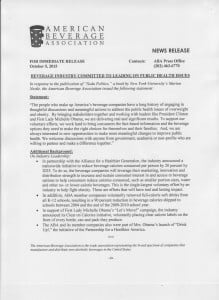
This says:
BEVERAGE INDUSTRY COMMITTED TO LEADING ON PUBLIC HEALTH ISSUES
In response to the publication of “Soda Politics,” a book by New York University’s Marion Nestle, the American Beverage Association issued the following statement:
Statement
“The people who make up America’s beverage companies have a long history of engaging in thoughtful discussions and meaningful actions to address the public health issues of overweight and obesity. By bringing stakeholders together and working with leaders like President Clinton and First Lady Michelle Obama, we are delivering real and significant results. To support our voluntary efforts, we work hard to bring consumers the fact-based information and the beverage options they need to make the right choices for themselves and their families. And we are always interested in new opportunities to make more meaningful changes to improve public health. We welcome discussions with anyone from government, academia, or non-profits who are willing to partner and make a difference.”
The rest is about all the good things the industry is doing.
Read the book and decide for yourself!
This is from 6:30-9:30 p.m. at The Greene Space, WNYC NPR Studios, 44 Charlton Street. For information and reservations, click here.