

This will be at the bookstore, 6:00 to 8:00 p.m., a conversation with Lane Selman, founder of Portland’s Culinary Breeding Network, followed by audience Q&A and a book signing. Information and RSVP here.

I love Government Accountability Office (GAO) reports. Some member of Congress requests them and GAO resaearchers then get to work.
I particularly like the way GAO understates what its reports are about.
Try this, for example: Oversight of Future Supplemental Assistance to Farmers Could Be Improved
This program gave $23 billion to farmers during the pandemic.
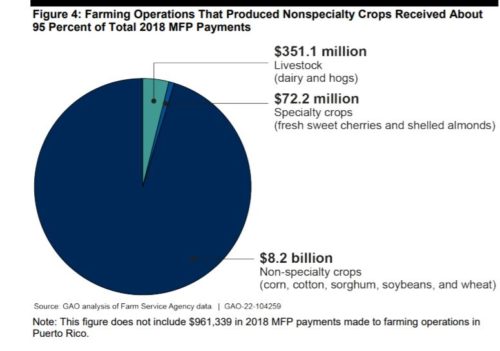
Of this, 95% went to “nonspecialty crops” (translation: feed for animals and fuel for cars, aka Big Ag).
And hardly any of the money went to minority, new, or military farmers.
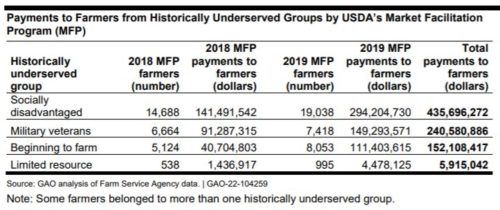
Leah Douglas, now working for Reuters, did the math.
Comment: The USDA has a long history of discrimination against these groups. It needs to make up for that.
This will be at the bookstore, 6:00 to 8:00 p.m., a conversation with Lane Selman, founder of Portland’s Culinary Breeding Network, followed by audience Q&A and a book signing. Information and RSVP here.




