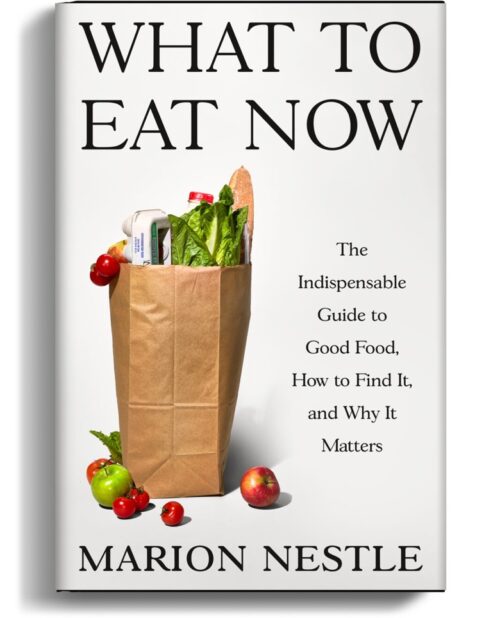
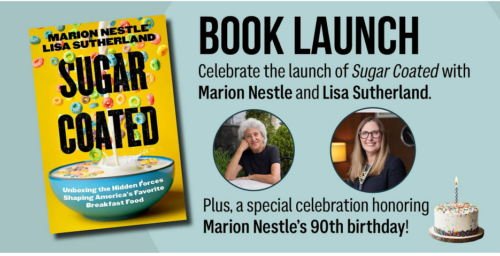
This is 6:00–8:00 p.m. at NYU’s Bobst Library. Registration and further information are here.

If you still have fruitcake left over from Christmas, you are undoubtedly wondering why it is still around and whether it is still edible.
Fortunately, we have Scientific American to thank for shedding light on this pressing issue.
According to the U.S. Department of Agriculture, these seemingly indestructible pastries typically stay fresh for six months in the pantry and up to a year when refrigerated. But anecdotally we know that they can last for decades; some of the oldest have been preserved for more than a century. In 2017 a then 106-year-old fruitcake left behind by members of a 1910 Antarctic expedition was unearthed from one of the continent’s first buildings. And in 2019 the Detroit News reported that a Michigan family treasured a then 141-year-old fruitcake as an heirloom. And you could theoretically still eat these century-old cakes without harm—if you can get past the nauseating, rancid smell.
The reasons for fruitcake’s indestructability are because it is made with:
Bacteria are killed by alcohol and do not reproduce well under conditions of high sugar, low water, and low oxygen (high cake density)—dryness, in a word.
So if yours is still around, you can eat it as long as it smells OK. If it starts smelling bad, it’s because the fats are getting rnncid.
Aren’t you glad I asked?