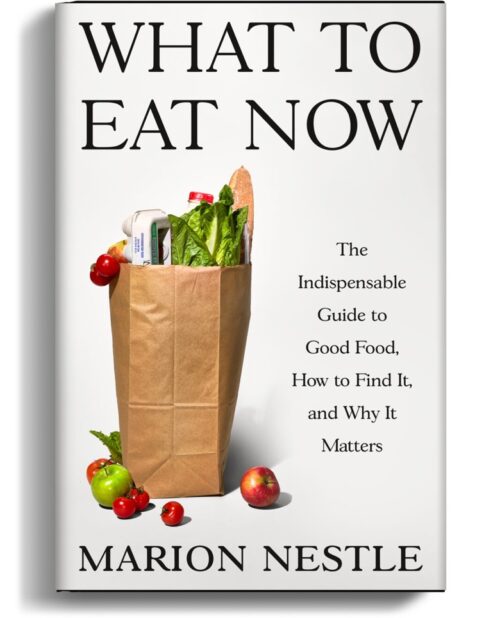
A conversation with Charles Platkin at 12:30 p.m. on The Wisdom of 90 Years: Dr. Marion Nestle on Food and Living Your Best Life. Registration is here.

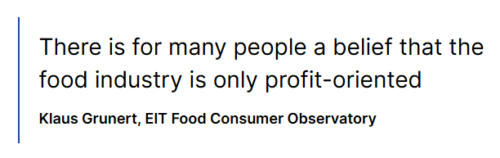
It turns out, the public doesn’t trust the food industry much.
Food industry trust in the dumps, but things are looking up: Consumer trust in the food industry is at dire levels. But there are modest reasons for positivity. What can the industry do to build on dwindling trust?… Read more
Why not?
This is affecting brand loyalty. For this, price is also an issue.
Brand loyalty is declining, but the death knell isn’t ringing yet: The fight between branded and private label has never been so intense, yet it appears the former is losing significant ground. So what’s going on?… Read more
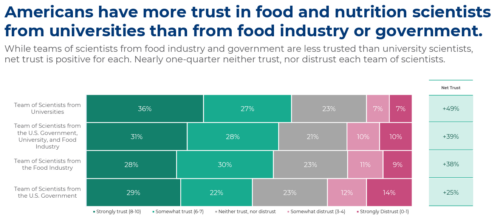
And, Americans don’t trust food and nutrition science either, especially if it comes from food industry scientists.
My advice?
If the food industry wants trust from the public, it should behave in a trustworthy manner.
As long as food companies put profits first, they are at high risk of compromising ethics, integrity, and trust.
The investment system would do better on trust if it valued social commitments.
This is an old story, but one worth retelling. See this, for example.
A conversation with Charles Platkin at 12:30 p.m. on The Wisdom of 90 Years: Dr. Marion Nestle on Food and Living Your Best Life. Registration is here.