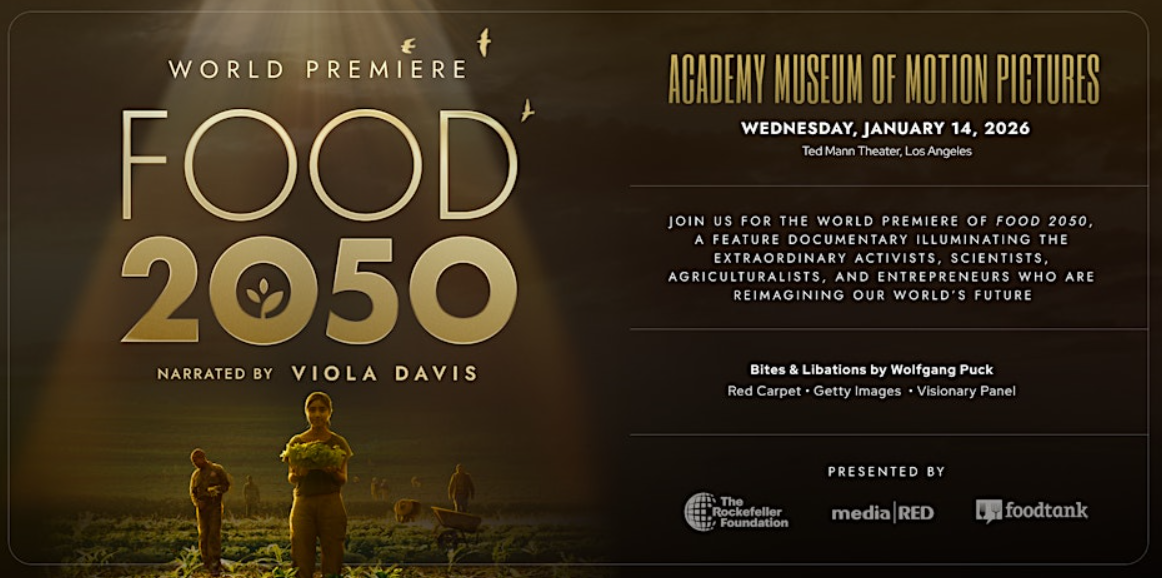
I’m on the visionary panel. To register, click here.

On Mondays, I typically post something about industry-funded research or investigator conflicts of interest.
In the light of Robert F. Kennedy’s complaints about conflicts of interest in previous dietary guidelines advisory committees, it is startling to observe the industry ties reported by members of this administration’s committee.
These conflicted interests are also surprising in light of the high prioritization of meat in these guidelines, which advise eating protein (a commonly understood euphemism for meat) in every meal, and high-fat dairy.
The committee’s membership and disclosures are given on pages ix-xviii of the Scientific Foundation report.
To focus just on ties to meat and dairy groups, members report financial ties to
This was reported originally in Stat News (which quotes me elsewhere in the story).
It’s unclear how the Trump administration appointed its group of nutrition scientists and other researchers. A scientific report linked at the bottom of a new federal website, RealFood.gov, says only they were chosen through “a federal contracting process based on demonstrated expertise.”
The Times quotes Mark Kennedy, the senior vice president of legal affairs for the Physicians Committee for Responsible Medicine, which supports plant-based diets and has filed a complaint with the government saying it should withdraw the guidelines.
Disclosing conflicts of interest at the end of the process “isn’t really going to cut it..Because if nobody ever had a chance to weigh in, and nobody other than the government behind closed doors had a way to assess it, there’s no way to ensure there’s fair balance.” (Mr. Kennedy is not related to the health secretary.)
Comment
In reading through press accounts, I’m pretty sure I saw one where one of the committee members reporting financial ties tossed it off with some comment about how he was sticking to the science and that’s all that mattered (I’ve searched but can’t find it now).
I heard that a lot after publication of my book, Unsavory Truth: How Food Companies Skew the Science of What We Eat. In that book, I review research on the “funding effect,” the strong correlations between who pays for food and nutrition research and its outcome. Industry-funded research tends to produce results favorable to the funder’s interests (otherwise it wouldn’t be funded). But recipients of funding typically did not intend to be influenced and do not recognize the influence. It is not surprising that this committee—unlike many other scientific committees over the past decades—came to precisely the conclusions decided in advance by Secretaries Kennedy and Rollins.
I’m on the visionary panel. To register, click here.