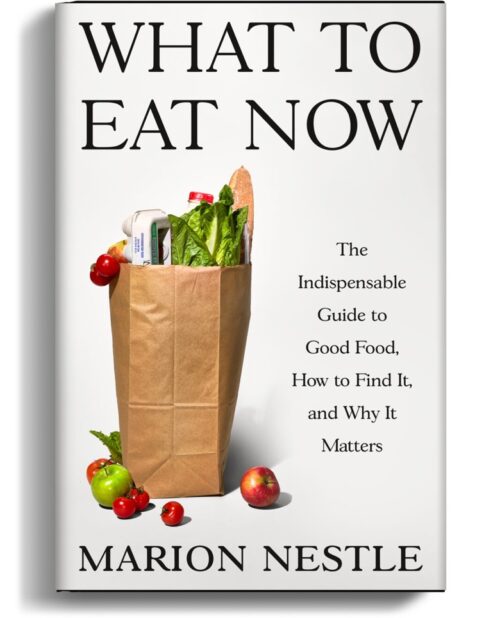
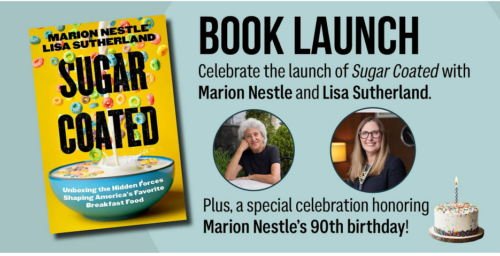
This is 6:00–8:00 p.m. at NYU’s Bobst Library. Registration and further information are here.

Here’s what got me started on this one: SNAP waivers could lead to $830M sales loss for soda, candy, energy drinks: By the end of 2026, state-specific restrictions are expected to impact one-third of participants in the government food assistance program, Numerator found.
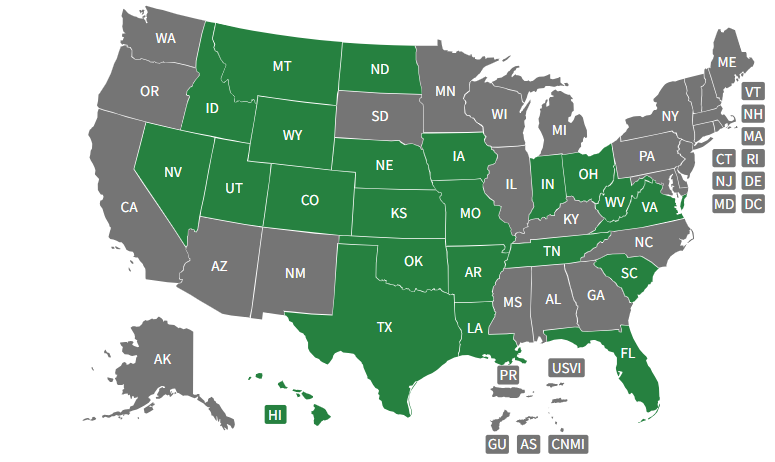
Redirected or reduced spending by SNAP households could lead to sales losses of $430 million for soda, $300 million for candy, and $100 million for energy drinks across the 19 states that will have waivers in place by the end of the year, according to the firm’s research.
SNAP waivers refer to rules about what SNAP recipients can buy with their electronic benefit cards. Without waivers, they cannot buy alcoholic beverages, tobacco products, cannabis edibles and drinks, supplements, hot food, and non-food items.
Waivers add sugar-sweetened beverages and some junk foods to this list.
Up until this administration, the USDA turned down requests by cities (New York) and states (Maine, Nevada) for such waivers.
Now, the USDA has granted waivers to 23 states so far, and is encouraging others to request them.
Food retailers are the beneficiaries of SNAP EBT cards. SNAP recipients buy a lot of soda (as do lots of other people). In waiver states, they will have to use their own money to buy soda.
Will waivers reduce overall sales? Retailers think so.
Will waivers reduce consumption of sugary drinks, and improve the health of SNAP recipients?
Let’s hope these states are sponsoring research to find out.