The Glynwood Center for Food and Farming is hosting this event. Details to follow.

I love corporate social responsibility reports . I collect them. Someone from Nestlé was kind enough to send me its shiny new report – Nutritional Needs and Quality Diets: Creating Shared Value, 2008. Nestlé is a very big food company. For starters, it employs 283,000 people in 84 countries. It sold $96.5 billion in products last year for a not-too-shabby profit of $16 billion (dollar figures are converted from Swiss francs and rounded off). Bottled water accounted for $8 billion in sales (down 1.6% from the previous year), pet food for $11 billion, and ice cream for $18 billion. I looked for – but could not find – the sales figures for Nestlé’s infant formula, the source of much controversy about this company.
As for social responsibility, the company says its education programs have reached 9 million people. And by changing the recipes of its foods, it has eliminated 75,000 tons of trans fat from its products, along with 15,000 tons of salt and 638,000 tons of sugars. Nestlé is also the largest fortifier of foods with vitamins and minerals.
Will these kinds of approaches help people eat healthier diets? As David Ludwig and I discussed in a JAMA article last October, we are skeptical. But read and decide for yourself!
March 19 update: and thanks to Jaybird for sending today’s example of Nestlé’s corporate responsibility in India.
March 21 update: thanks to Margo Wootan for forwarding the corporate responsibility report from Disney.
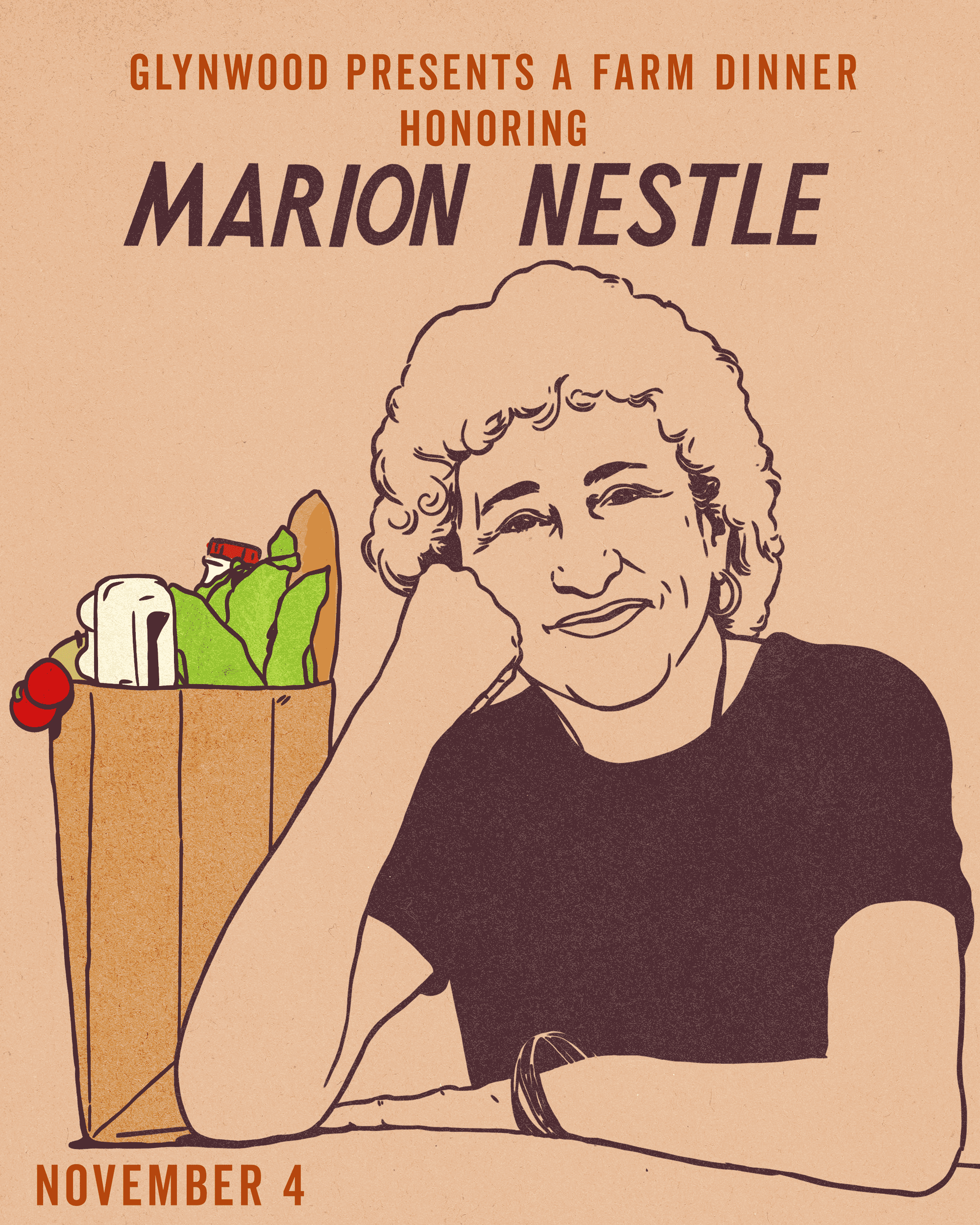
The Glynwood Center for Food and Farming is hosting this event. Details to follow.