With all the fuss over defining the term ultra-processed, public and private groups are filling the gap with labels that identify foods that are not ultra-processed.
I know of three ultra-processed labeling initiatives so far.
I. Leading the way is the Non GMO Project. It already is licensing foods meeting its non ultra-processed standards to carry this seal.
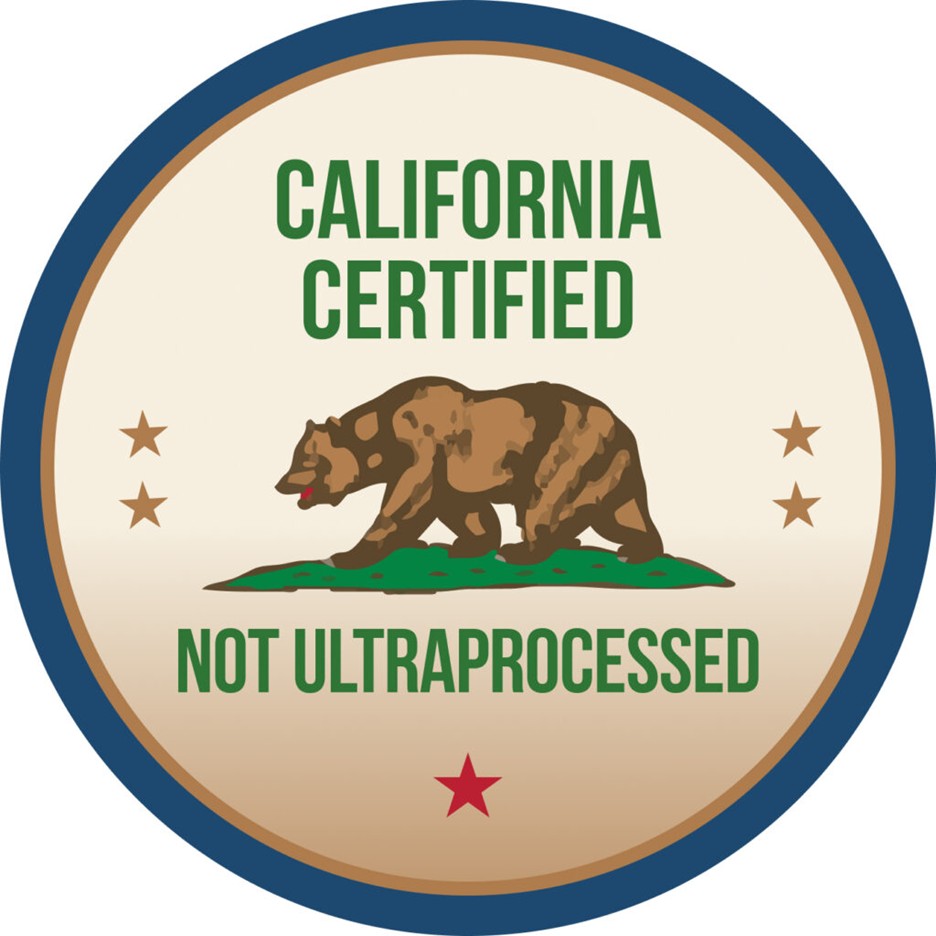
II. California is considering a front-of-package label to indicate foods that are not ultra-processed; it expects only about one-third of processed supermarket foods to meet its criteria.
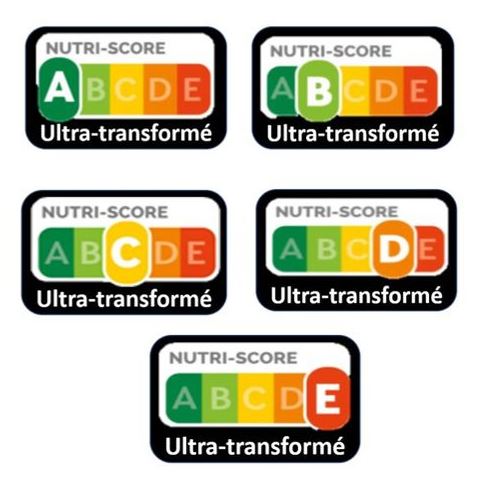
III. And in Europe, Nutri-Score (as I written about previously) is considering adding something about ultra-processing to its current labels. Even food products meeting its A criteria can be ultra-processed.
Comment: While fusses about the definition of ultra-processed continue, labels like these ought to help people recognize and cut down on such foods. As for me, I’m not too worried about the definition. As one of my colleagues put it, as with pornography. everyone recognizes an ultra-processed food when they see one.
Addition
Thanks to Jim Krieger for sending two more.

And a reader from Norway sends this one (and more information about it)