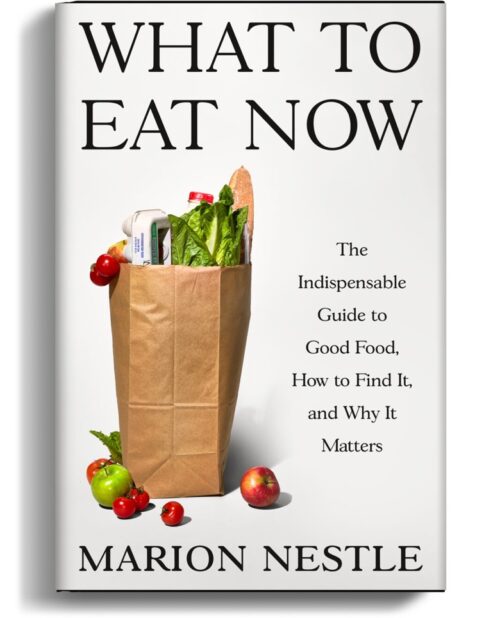
Information about the Aspen Ideas Festival is here. I am scheduled for a session, The American Wellness Paradox, currently scheduled from 11:00-11:50 a.m., at the East Lawn Tent. This will be a discussion with senior HHS policy advisor, Calley Means. Here’s the blurb on it: “Americans are spending more than ever on healthcare, supplements, wellness trends, and “clean eating,” yet rates of chronic disease and metabolic illness continue to climb. As skepticism fuels the rise of movements like MAHA, debates over what Americans should eat have become deeply cultural, political, and economic. Two influential voices with sharply different perspectives on nutrition and food science explore how food systems, farming practices, consumer culture, and the wellness industry collided to create one of the defining public health debates of our time.”

Feeding the world: an economic analysis
The Deutsche Bank and University of Wisconsin researchers have collaborated on a major investigation of what has to be done about agriculture to feed the world. The report, which has lots of economic charts and diagrams, takes a tough look at resources and the environmental and climate-change consequences of agricultural practices. It concludes that agriculture needs lots of money invested in fertilizers, irrigation, mechanization, farmer education, and land reclamation, and that both organic as biotechnological approaches will be needed to maximize production. The facts and figures are worth perusing. But what to do with them is always a matter of interpretation. It will be interesting to see who uses the report and how, or whether it, like most such reports, ends up in a dusty drawer.