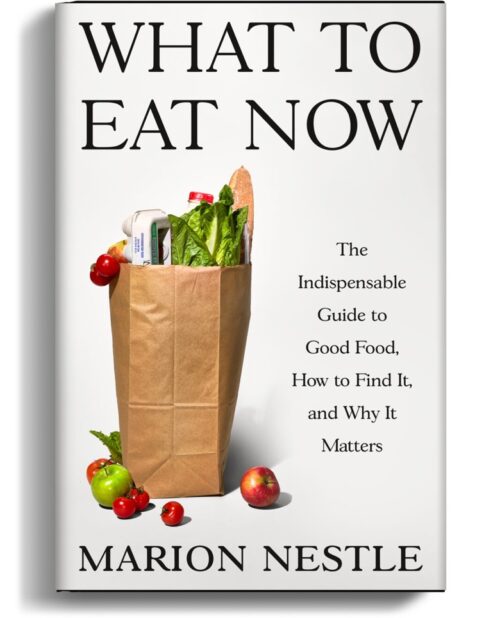
This will be at the bookstore, 6:00 to 8:00 p.m., a conversation with Lane Selman, founder of Portland’s Culinary Breeding Network, followed by audience Q&A and a book signing. Information and RSVP here.

Last week’s New York Times science section reported a study from the British Medical Journal arguing that Oliver Twist had plenty to eat and Dickens greatly exaggerated the poverty and inadequacy of poorhouse diets. The BMJ article said poorhouse diets gave kids a few ounces of oatmeal a day along with “modest servings of bread, potatoes, meat and cheese.” This diet, the authors said, provided 1,600 to 1,700 calories a day, “dull and monotonous, to be sure, but adequate…in a real Victorian workhouse, Oliver would probably not have had to ask for more. He would have had just about enough.”
Here’s my response, published in today’s Science Times letters. Enough? Hardly. The whole point of welfare institutions is to give recipients just enough to stave off starvation, but not so much that they become complacent and dependent on state largesse. But children are dependent, and British poorhouses were for-profit institutions. Far too much factual evidence demonstrates that poorhouse diets were barely adequate and strongly associated with childhood malnutrition and death. What were these authors thinking?
January 7 update: Eating Liberally points out that the basic elements of poorhouse diets have much in common with today’s fast food. How, kat asks, did fast food get to be so respresentative of America? Here are my additional thoughts on this matter.
This will be at the bookstore, 6:00 to 8:00 p.m., a conversation with Lane Selman, founder of Portland’s Culinary Breeding Network, followed by audience Q&A and a book signing. Information and RSVP here.