
This will be at the bookstore, 6:00 to 8:00 p.m., a conversation with Lane Selman, founder of Portland’s Culinary Breeding Network, followed by audience Q&A and a book signing. Information and RSVP here.

It’s tough to be a soda company these days, what will sales of both sugary and diet drinks falling steadily. Hence, this May 15 press release:
Alliance for a Healthier Generation and America’s Beverage Companies Start Work In Los Angeles Area Neighborhoods As Part of Community Initiative To Help Reduce Beverage Calories Consumed
(LOS ANGELES) –The Alliance for a Healthier Generation and America’s beverage companies announced today that work will begin in four Los Angeles area communities as part of a highly focused initiative to help reduce beverage calories consumed by 20 percent per person by 2025 in neighborhoods where there has been less interest in or access to lower-calorie and smaller-portion beverages.
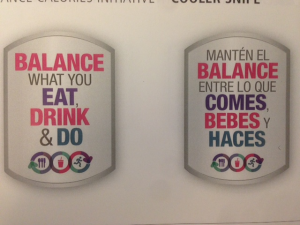
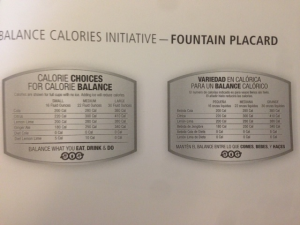
…The beverage companies will utilize a range of marketplace activities in these neighborhoods in an effort to help people reduce their calories, such as making lower-calorie and smaller-portion beverages more available in stores, providing incentives for consumers to try these options and displaying new calorie awareness messages at points of sale. These activities will allow companies to test and learn in order to develop the best practices that can be implemented elsewhere.
Here’s what people in these neighborhoods will see:
The press release says nothing about:
Is this public relations or something meaningful? I’m skeptical but do try to stay open-minded about such things.
Let’s wait and see how this plays out.
This will be at the bookstore, 6:00 to 8:00 p.m., a conversation with Lane Selman, founder of Portland’s Culinary Breeding Network, followed by audience Q&A and a book signing. Information and RSVP here.