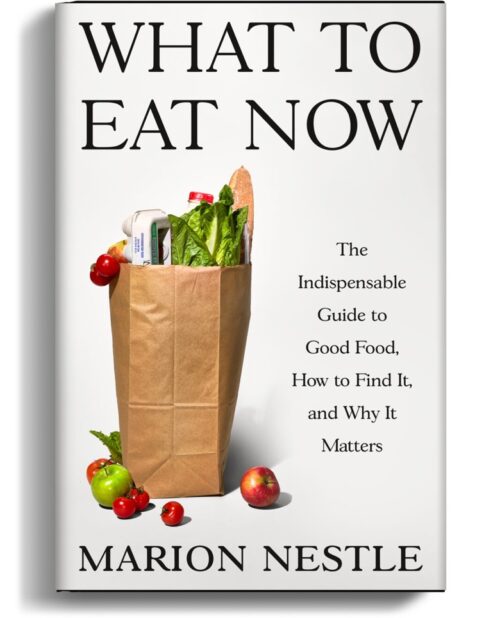

This is from 6:30-9:30 p.m. at The Greene Space, WNYC NPR Studios, 44 Charlton Street. For information and reservations, click here.

To continue the thene of yesterday’s post, check out this report from the Global Health Advocacy Incubator (an international organization that supports advocacy).
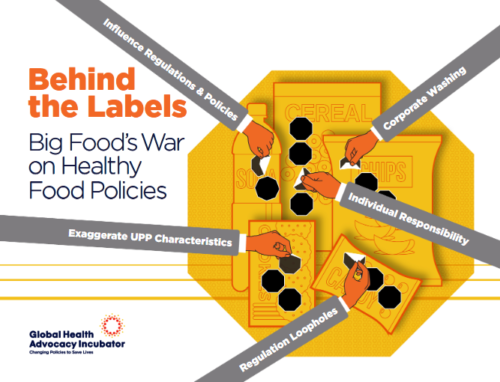
The report documents the food industry’s strategies to defeat warning labels on ultra-processed food products (UPP).
1. Protect the UPP industry’s reputation and brands through corporate washing;
2. Influence policies through multilateral bodies to delay implementation and threaten countries with legal and economic concerns;
3. Divert attention from its corporate responsibility on the damage to environmental and human health to blame individuals for their behaviors;
4. Imply that their products contribute to health, the environment, and society while blocking the development and implementation of healthy food policies; and
5. Seek loopholes in regulations to continue promoting ultraprocessed products.
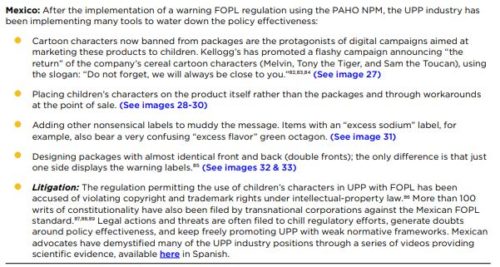
For example, here is how strategy #5 was implemented in Mexico:
Here, also for example, is image #27:

What should civil society organizations be doing to counter industry tactics?
This report is exceptionally well documented, covers an enormous range of countries, and gives a quick but compelling overview of how the food industry operates internationally to product product sales.
This is from 6:30-9:30 p.m. at The Greene Space, WNYC NPR Studios, 44 Charlton Street. For information and reservations, click here.