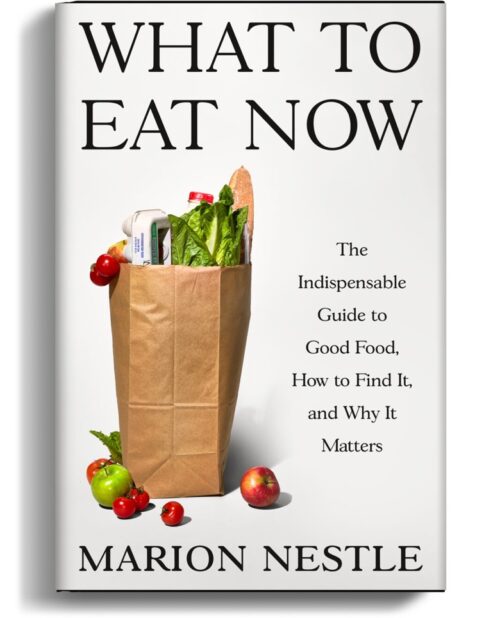
A conversation with Charles Platkin at 12:30 p.m. on The Wisdom of 90 Years: Dr. Marion Nestle on Food and Living Your Best Life. Registration is here.


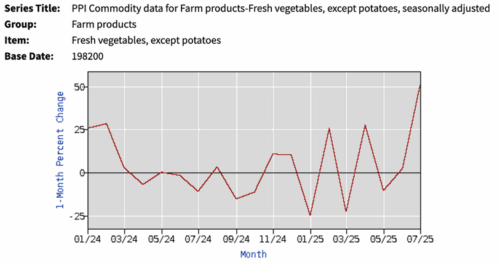
The Bureau of Labor Statistics published this graph of the change in price of fresh vegetables since January 2024. Prices have gone up a lot this year.
This did not get sent out to subscribers last week, so I’m trying again.
This may be explained not just by inflation, but also by a decline in the availability of vegetables in the food supply (defined as produced in the U.S., less exports, plus imports) as shown in this chart from the USDA.
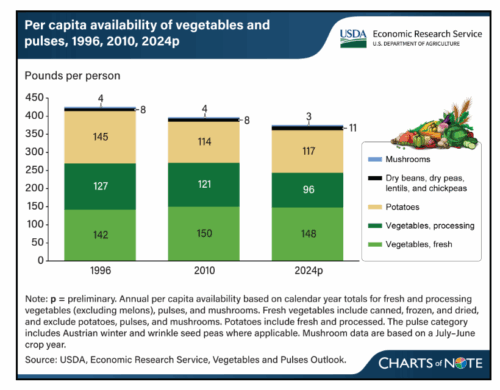
If we want people to eat more healthfully, we need policies to make vegetables more widely available at lower cost. Farmers have to make a living. That’s why we need to rethink which foods get subsidized, and our entire agricultural system for that matter.
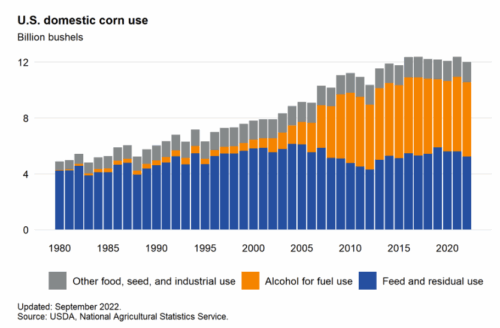
How about redesigning the agricultural system to prioritize food for people, instead of feed for animals and fuel for automobiles.
To explain, I’m posting this USDA chart again.
A conversation with Charles Platkin at 12:30 p.m. on The Wisdom of 90 Years: Dr. Marion Nestle on Food and Living Your Best Life. Registration is here.