Let’s start with what I like about the 2020-2030 Dietary Guidelines and New Pyramid, taken together.
Eat Real Food
It’s how I eat, and prefer to eat.
It’s consistent with Michael Pollan’s Eat food. Not too much. Mostly plants.
Pollan’s version, to which I subscribe, is supported by at least three of the guidelines:
- Eat vegetables & fruits throughout the day
- Focus on whole grains
- Limit highly processed foods, added sugars, & refined carbohydrates
The New Pyramid
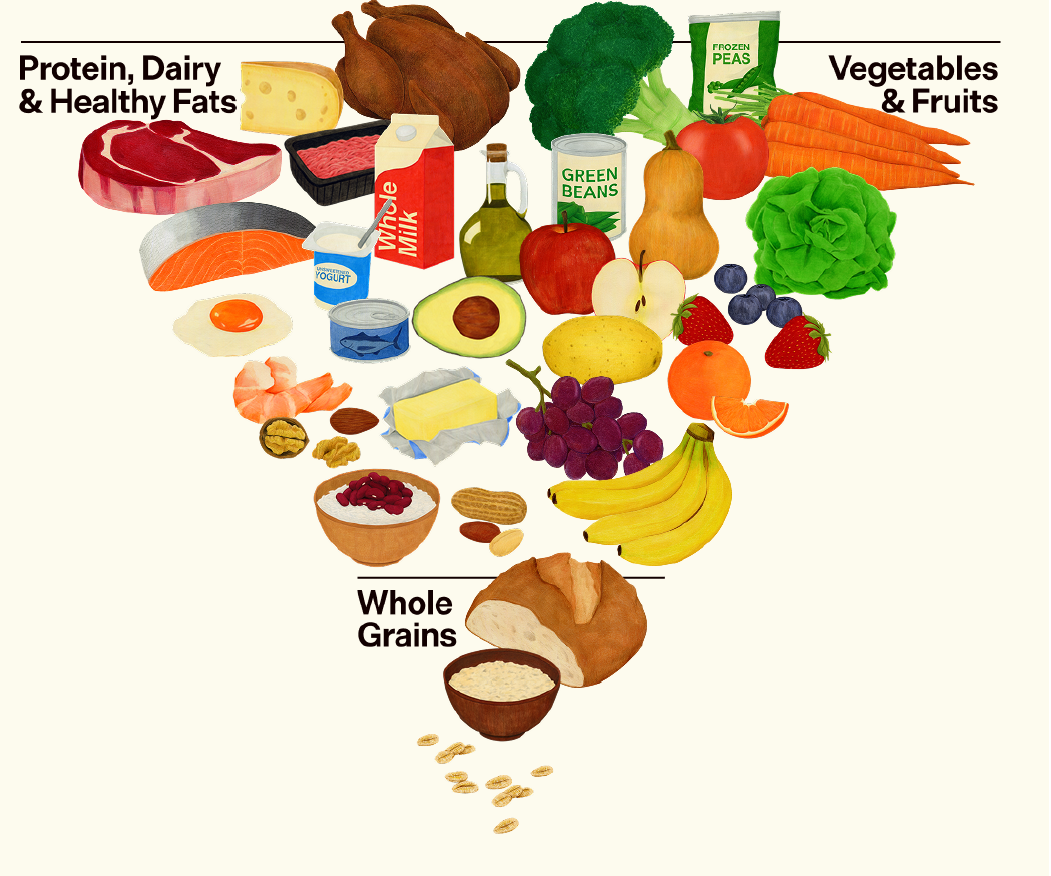
It’s bright and cheerful.
It illustrates a basic nutrition message: eat a wide variety of foods from all food groups.
It’s possible to eat healthfully following this diagram if eating a wide variety of foods and balancing calories.
It’s consistent with food movement objectives, and is bringing attention to these objectives.
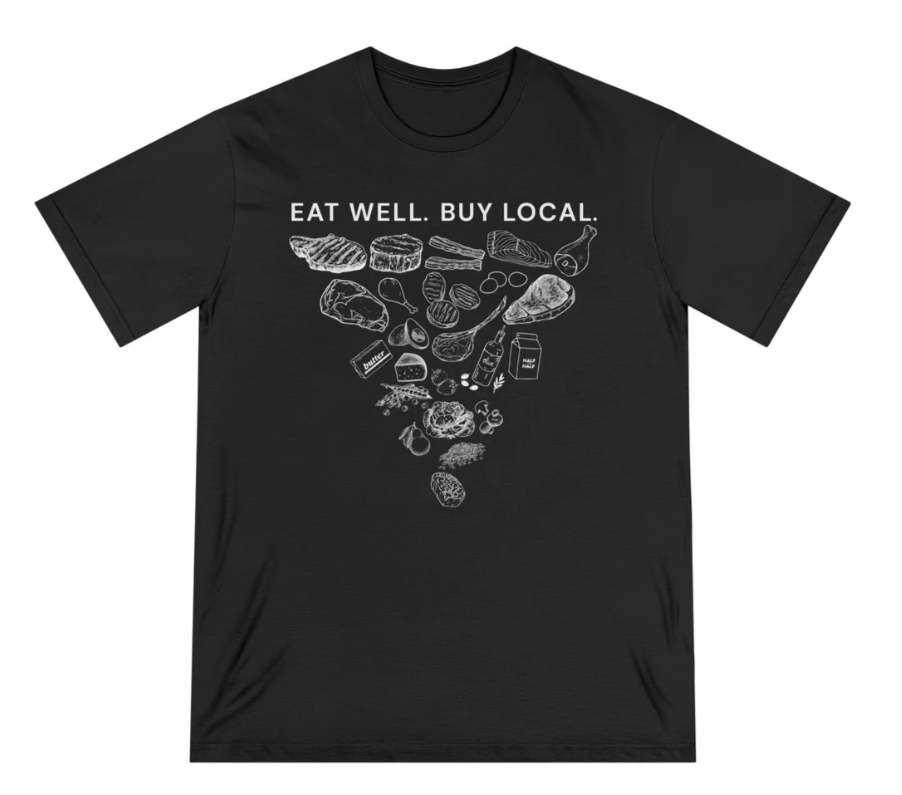
What’s missing and I wish were included
- Eat Real Food as the first dietary guideline
- Greater emphasis on plant sources of protein
- Inclusion of whole grain foods in the “eat more” part of the pyramid
- Policy support
The need for policy
Much about these guidelines and food guides connects with long-desired objectives for a food system aimed at promoting the health of people and the planet. As I noted in an earlier post, these guidelines focus explicitly on personal responsibility, not system change.
To create a food system that supports eating according to these guidelines and pyramid, we need:
- Agricultural subsidies: for foods for people (not feed for animals or fuel for automobiles, as the current system does)
- School food: kitchens and cooks in every school, gardens wherever possible, and enough money to pay for real food
- Education: cooking classes for kids and adults, men as well as women
- Equity: enough money to buy real food, and the space, equipment, and time to prepare it
I will have more to say about all this as time goes on, so stay tuned.