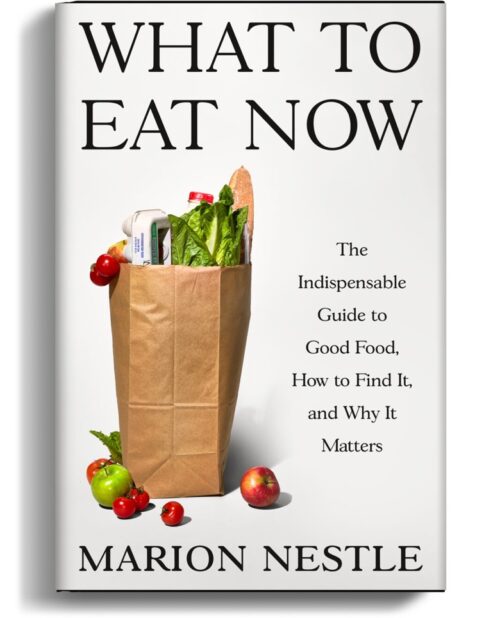
More information is here. Autumn Leaves Books is on the Commons.

Today is my 90th birthday, and this is my 5765th post on this site since starting it in 2007.
To quote the late Gloria Steinem, this is what 90 looks like.
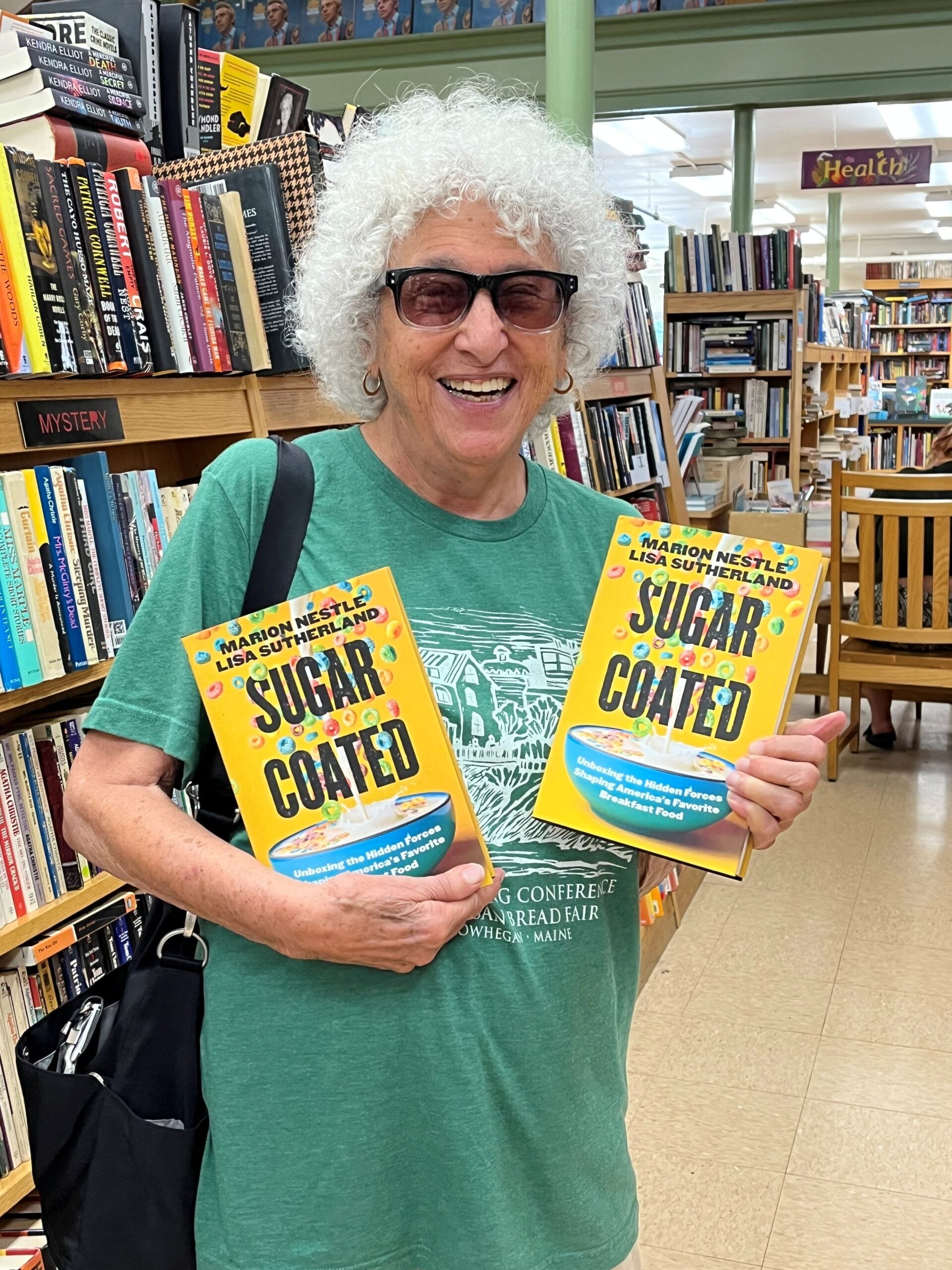
Photo taken at Autumn Leaves Books, Ithaca, July 2026
As should be obvious, I have had a hugely fortunate life.
I was born into a poor family but came of age during the now-understood-to-be-unique period between the end of World War II and the election of Ronald Reagan. Then, a university education was essentially free; I paid $32 per semester in fees to the University of California Berkeley. Housing was affordable; the first house I bought cost $14,500. Anyone with a modest academic salary could expect to lead a solid middle-class life. And for women, doors were beginning to open.
I was in graduate school in the early 1960s, a time when we thought we were changing the world. We were going to end the war in Vietnam, end poverty, obtain civil rights, get equity for women, protect the environment, end injustice, curb corporate power. We could see these changes happening. The future was going to be better, and for everyone.
That was my normal. I had no idea how unusual that 30-year period would turn out to be, or how powerful the backlash against it.
I was lucky enough to find work—teaching, writing, speaking—that I found deeply engrossing, stimulating, and rewarding. I still do.
As for my ability to continue to do these things? Good nutrition, of course, And even more luck.
My book, Food Politics, turns 25 next year and I recently submitted a new Preface and Afterword for its 25th anniversary edition (forthcoming, February 2027).
Here is how I ended the Afterword:
I am often asked how I remain hopeful in the light of the food industry’s power to control and corrupt government. My answer: the food movement. I see its effects everywhere. Healthier foods are more widely available than when Food Politics first appeared. Increasing numbers of people, old and young, care about food issues and want to improve the food system. Every place I travel, I see more schools serving healthier and better-tasting meals, more farmers’ markets, more young people wanting to farm, more concern about humane farm animal production, more backyard chickens and urban gardens, and more attention to local, seasonal, and sustainable food. Most gratifying, more people understand the politics. A quarter century ago, I could not use the word “capitalism” in class or lectures without turning off the room. Now when I talk about food system problems, someone invariably challenges me: “but aren’t you talking about capitalism?” Yes, I am, and late-stage capitalism at that.
When my NYU department started food studies programs in 1996, we were virtually alone.[i] Today, colleges and universities host food programs and courses in practically every department and unit, all teaching students how to think critically about—and engage in—the country’s most pressing economic, political, social, and health problems. Food issues are a lens into those problems. They are high on the agendas of local, state, national, and international governments. The media cover agriculture, food, and nutrition extensively and, as a reporter once told me, command so much national attention that food issues constitute a Full Employment Act.
I especially see hope at the grassroots level. Many communities are engaged in efforts to improve school meals, reduce childhood obesity, align agricultural production with health goals, and make healthier food more available and affordable for all. Advocates are increasingly learning and following well-established strategies for achieving social change. To the extent they do, they have a good chance at success.[ii]
Today’s challenge is to take advocacy to the national level. If I could wave a magic wand, here is what I would do to make healthy food choices more available, accessible, affordable, and desirable—the default—and not only in the United States.
- Conduct ongoing national education campaigns to promote healthful choices.
- Refocus agricultural production subsidies on food for people rather than feed for livestock animals and ethanol and diesel fuel for cars and airplanes.
- Increase taxes on unhealthful foods and support lower prices for healthful foods.
- Restrict marketing of unhealthful foods and promote marketing of healthful foods.
- Enact a universal basic income program so everyone can afford to eat healthfully.
- Enact a universal school meals program—with adequate funding—so all children have access to healthful breakfasts and lunches.
- Overturn Citizens United and get money out of politics.
- Reform Wall Street to require corporations to provide benefits to their workers, communities, and society as well as to stockholders.
These ideas may sound like pie in the sky, but I deeply believe that setting goals—even those that seem highly unattainable—is a useful public health strategy. Unrealistic goals can educate, expand expectations, promote critical thinking, motivate action, attract resources, and encourage accountability. Sometimes, with skill and luck, they can even be achieved.[iii] Efforts to create better and more equitable food systems are prime expressions of democracy in action—of the people, by the people, for the people. They are well worth engagement, advocacy, and activism, and deserve everyone’s support.
Notes
[i] Bentley A, Parasecoli F, Ray K, eds. Practicing Food Studies. New York: NYU Press, 2024.
[ii] Bobo KA, Max S, Bobo K, et al. Organizing for Social Change: Midwest Academy Manual for Activists. New York: Seven Locks Press, 2001.
[iii] Eyal N, Sjöstrand M. On knowingly setting unrealistic goals in public health. Am J Public Health 2020;110(4):480–484. doi: 10.2105/AJPH.2019.305428.