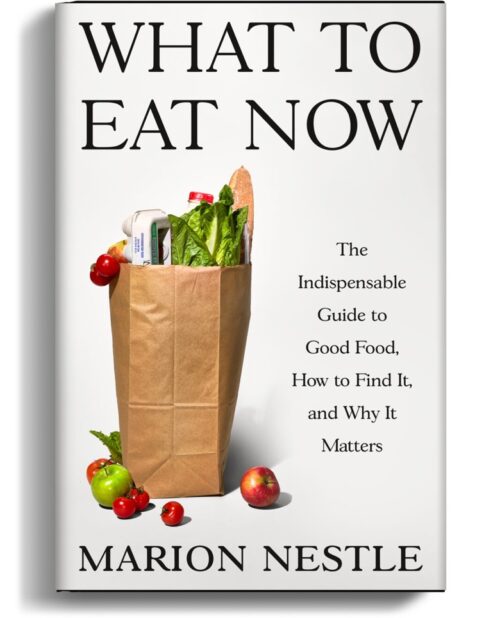

This will be at the bookstore, 6:00 to 8:00 p.m., a conversation with Lane Selman, founder of Portland’s Culinary Breeding Network, followed by audience Q&A and a book signing. Information and RSVP here.

Since 1995, the USDA has done census surveys of the extent of food “insecurity”–the euphemism it uses for not having enough food to eat–in the U.S. population. USDA has just released the 2006 survey, which finds 10.9% of the population–including about half a million children–to be food insecure. This percentage is about the same as in previous years. About half of the food insecure population gets federal food assistance, Food Stamps, WIC, or others. What about the other half?
This will be at the bookstore, 6:00 to 8:00 p.m., a conversation with Lane Selman, founder of Portland’s Culinary Breeding Network, followed by audience Q&A and a book signing. Information and RSVP here.