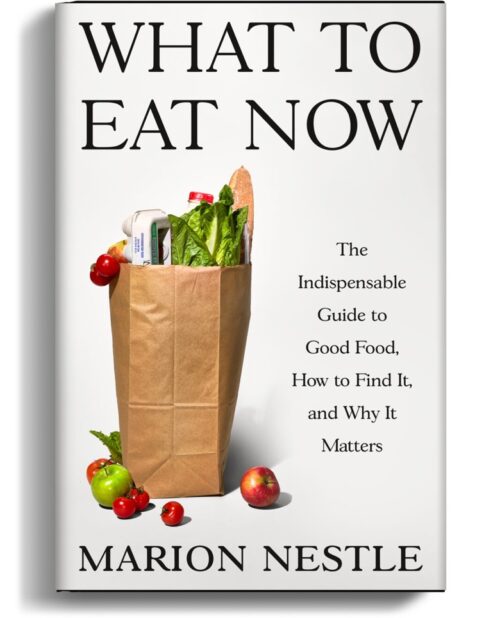
This is 6:00–8:00 p.m. at NYU’s Bobst Library. Registration and further information are here.


I find the details of trade policy almost impossible to understand (so many arcane rules, so many countries), and am grateful whenever I read something crystal clear.
Politico explains (behind a paywall, alas) how our trade war with China is hurting US soybean farmers, beginning with:
The good news: The European Union is buying lots more US soybeans than it used to. Purchases are up 133% over last year, and now account for 52% of EU soybean imports.
The bad news: The EU is buying US soybeans because they are cheap. Because China is not buying US soybeans, there is a glut; prices have fallen by 20%.
Estimates are that the EU will buy $2.5 billion this year. But last year, China bought $12.3 billion in soybeans. That’s nearly a $10 billion loss unless other buyers can be found (the estimate is a $7 billion loss).
China is now buying soybeans from Brazil, and at premium prices.
Here’s what the American Soybean Association has to say about all this.
One more indicator: Politico also mentions an article in the Milwaukee Journal Sentinal detailing how more than 2,500 US dairy farmers have resorted to GoFundMe campaigns to save their farms.
I wish we grew more food for people instead of food for animals or fuel for cars, and that our agricultural policy linked to health policy.
Maybe if we did that, we wouldn’t be in this situation. But GoFundMe campaigns?
Maybe we just need real agricultural policies.