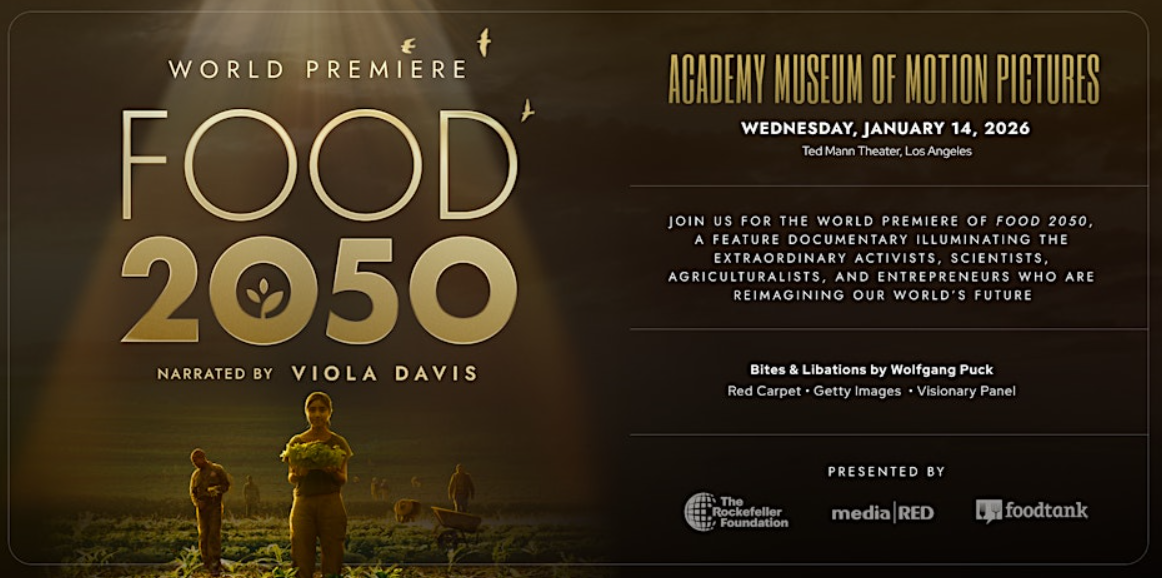
I’m on the visionary panel. To register, click here.
The USDA just announced the addition of six states to the list of waivers that allow them to restrict soft drinks and sometime other foods and drinks from what SNAP recipients can buy with their benefits (they can still buy these things with their own money),
You can keep track of the waivers—now 18 states—at the USDA’s website, which provides a handy map.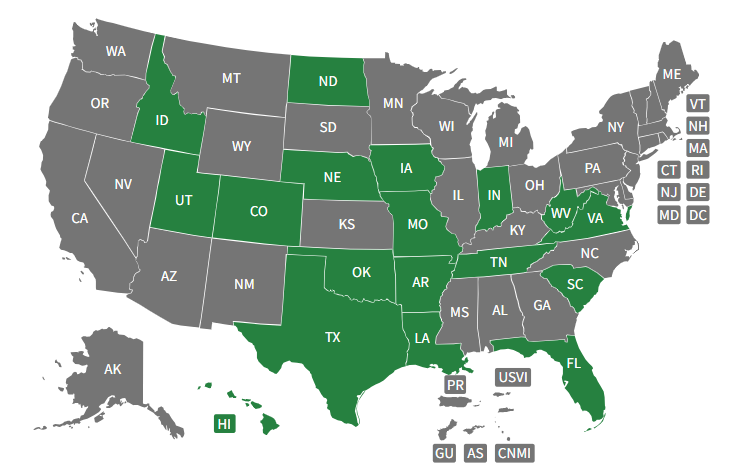
The site also has a table that gives the implementation date in 2026, and describes the restrictions. If you click on the state, you get the relevant documents. You also can keep track on a site run by the National Grocers Association.
The state waivers vary a lot in what they restrict:
Florida, for example, says
Starting in early 2026, soda, energy drinks, candy, and ultra-processed shelf-stable prepared desserts will no longer be available for purchase with SNAP benefits in Florida. Items excluded from SNAP purchases will include:
- Soda
- Energy Drinks
- Candy
- Ultra-Processed Prepared Desserts
Indiana, for another example, uses these definitions:
Candy: A preparation of sugar, honey, or other natural or artificial sweeteners in combination with chocolate, fruits, nuts, or other ingredients or flavorings in the form of bars, drops, or pieces. The term does not include any preparation requiring refrigeration.
Soft Drinks: Nonalcoholic beverages that contain natural or artificial sweeteners. The term does not include beverages that contain milk or milk products, soy, rice, or similar milk substitutes, or are exclusively naturally sweetened using natural vegetable and / or fruit juice.
And, just for fun, I looked up another one.
Oklahoma’s definitions
“Candy” means any solid, semi-solid, or molded preparation of sugar, sweeteners (natural or artificial), or chocolate, with or without added ingredients such as flavorings, fruit, nuts, or flour, that is commonly marketed, advertised, or recognized as candy, chocolate bar, chewing gum, or similar confectionery. For purposes of this section, candy includes but is not limited to chocolate bars (including products containing flour such as Kit Kat, Twix, or similar items), hard candies, gummies, caramels, taffy, licorice, mints, and chewing gum.
“Soft drink” means any nonalcoholic beverage that contains natural or artificial sweeteners, including soda, pop, cola, energy drinks, sports drinks, and flavored water, but excluding beverages that contain milk or milk substitutes, soy, rice, or similar dairy alternative ingredients, or that contain more than 50 percent, by volume, of fruit or vegetable juice…For purposes of this section, “soft drink” includes but is not limited to:
• Carbonated sodas
• Non-carbonated sweetened beverages
• Energy drinks, energy Supplements, and sports drinks (whether or not carbonated)
• Sweetened bottled or canned teas and lemonades
• Flavored waters with added sweeteners“Soft drink” does NOT include:
• Coffee or unsweetened tea
• 100% fruit or vegetable juice, or beverages containing more than 50% juice by volume
• Milk, milk substitutes, dairy-based drinks, or similar beverages
Yikes! It gives me a headache just thinking about what it’s going to be like for grocers to deal with this, let alone the manufacturers of restricted foods that differ from state to state.
All of the waivers are said to include evaluation plans. These will be interesting and we should start seeing them by 2027. Can’t wait.
I’m on the visionary panel. To register, click here.