If you want an overview of the current status of nutrition problems in the world, what is being done about them, and what needs to be done about them, this report is required reading (to get to the download button for the entire report, scroll to the end of the page).
The report is chock full of useful facts, figures, case studies, and recommendations. A massive undertaking, it
was produced by the Independent Expert Group of the Global Nutrition Report, supported by the Global Nutrition Report Stakeholder Group and the Secretariat at Development Initiatives. The writing was led by the co-chairs Jessica Fanzo and Corinna Hawkes, supported by group members and supplemented by additional analysts and contributors.
For a quick overview, go right to the slide deck and then to the graphics in the executive summary.
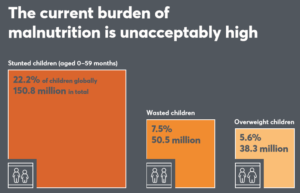
The report deals both with problems of malnutrition (undernutrition) and obesity (overnutrition), especially in children.
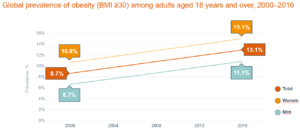
 It also deals with adult obesity:
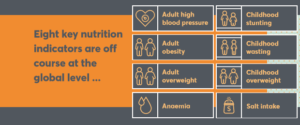
It identifies measurable nutrition indicators that can be used to track progress:
It recommends actions to reduce the prevalence of malnutrition and obesity.
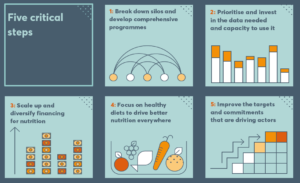
What stands in the way of implementing these steps? Political will, alas.
These reports have come out annually since 2014. Let’s hope this one gets the attention it deserves.