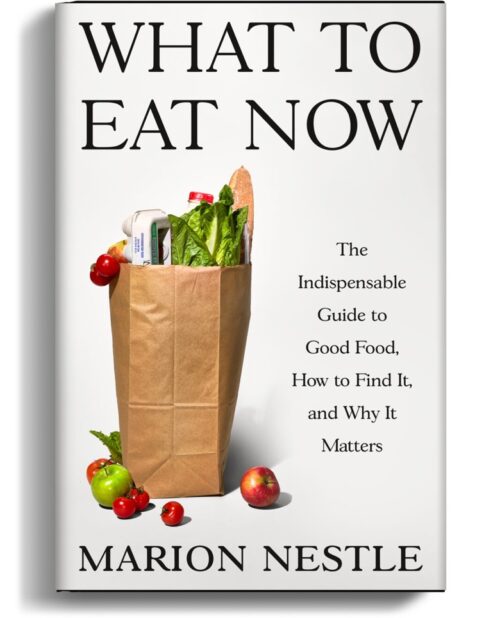

This will be at the bookstore, 6:00 to 8:00 p.m., a conversation with Lane Selman, founder of Portland’s Culinary Breeding Network, followed by audience Q&A and a book signing. Information and RSVP here.

Here are some of the latest reports on how food marketing influences eating patterns and obesity.
American University’s Kogod School of Business publishes a business magazine, Kogod Now. It latest CoverStory takes a tough look at at how targeted marketing of foods and beverages contributes to the obesity crisis, especially among minority children and adolescents.
Cornell University’s Pierre Chandon and Brian Wansink ask the question, “is food marketing making us fat?” Their review of the research leads them to conclude that a “small steps” approach ought to help reverse obesity. Recent analyses, however, suggest that reversing overweight is likely to take a lot more than small steps, but it’s worth reading what they have to say about marketing practices.
Two reports from Canada indicate that industry self regulation has little effect on actual food industry marketing practices. Instead, banning the marketing of junk foods, as has been accomplished in Quebec, works somewhat better.
The American Academy of Pediatrics takes a look at how television watching affects obesity in children. If kids watch a lot of TV–and they have a TV set in their bedrooms—they are at high risk of becoming obese. The obvious conclusion? Get rid of the TV!
It is heartening that so much of the research on obesity these days focuses on changing the food marketing environment. Now if policymakers would just pay some attention!
This will be at the bookstore, 6:00 to 8:00 p.m., a conversation with Lane Selman, founder of Portland’s Culinary Breeding Network, followed by audience Q&A and a book signing. Information and RSVP here.