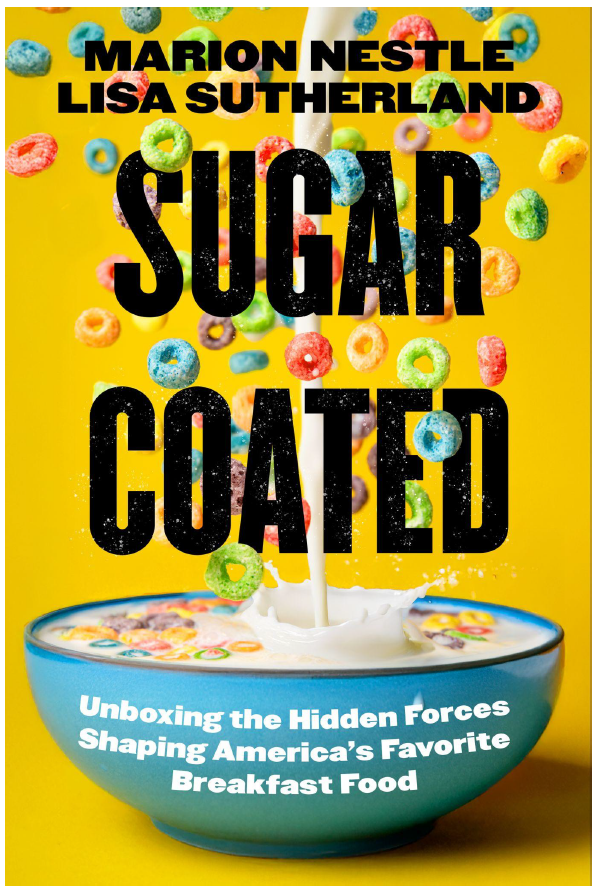
The official launch will be at NYU’s Library, most likely at 4:00 p.m. Co-author Lisa Sutherland will be present. Details and registration to follow.

The UK government has been trying to reduce consumption of junk foods—those high in fat, sugar and salt (HFSS) for several years.
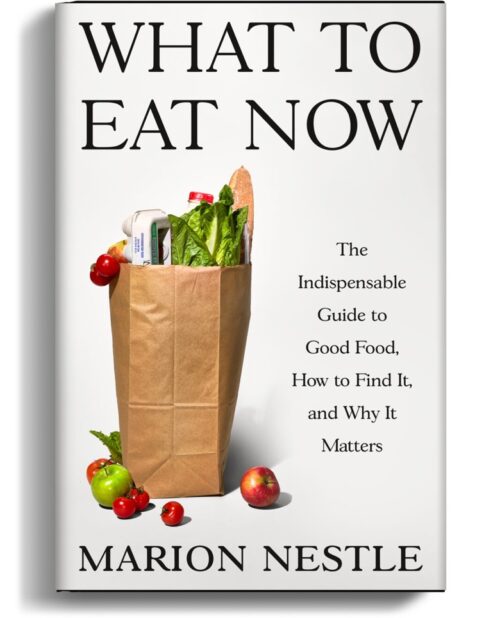
The rationale here, as I discuss in my book What to Eat Now, is that the more visible a product is, the more you are likely to buy it. Food companies pay supermarkets to put their products at store entrances, aisle ends and checkouts.
If such placements are restricted, what happens? Just what you might expect.
Now we have the first evaluation of these measures : Positive impact of supermarket junk food restrictions revealed
The research, which was carried out in England by the University of Leeds, estimates that two million fewer in-scope HFSS products were sold per day after the new law took effect.
Before the legislation was implemented, 20 out of every 100 items sold were in-scope HFSS products. Following legislation this number dropped to 19.
The Leeds researcher found “a statistically significant reduction in the sales of in-scope HFSS products, as a proportion of total sales by weight and by unit volume,…The scale of the impact varied by retailer, with two retailers’ sales showing a clear step change reduction in sales of in-scope HFSS products. No significant impact was observed in the third.”
Here’s an amusing thought: How about trying this in the U.S.
Maybe RFK Jr could add this to his MAHA recommendations.
Bottom line: Here’s another strategy that works. If we ever get a chance to use it, let’s do it!
The official launch will be at NYU’s Library, most likely at 4:00 p.m. Co-author Lisa Sutherland will be present. Details and registration to follow.