by Marion Nestle

Currently browsing posts about: MAHA

Aug 14 2025

David Kessler hands RFK Jr and MAHA a gift: Define Ultra-Processed Foods as Not GRAS

David Kessler, a physician, lawyer, and former FDA Commissioner, has done a great service for the Make America Healthy Again movement.  He has written a letter to RFK Jr presenting a Citizen’s Petition to the FDA: “Petition to Limit the Exposure of Refined
Carbohydrates used in Industrial Processing in order to Prevent Obesity, Diabetes, and Cardiovascular Disease in Children and Adults.”

His petition argues that processed refined carbohydrates should no longer be considered Generally Recognized As Safe (GRAS).

These are:

1) refined sweeteners, including corn syrup, corn solids, glucose syrups, dextrose, invert sugar, xylose, maltose, and high fructose corn syrups; and maltodextrin

2) refined flour and starches that are subjected to food extrusion technology, including wheat, corn, tapioca, oat and potato  flour, and starches that are processed by extraction or similar technology, and

3) sucrose, refined flours, or starches that are used with emulsifiers (e.g. mono- and diglycerides of fatty acids, DATEM, sodium stearoyl lactylate, polysorbates); dough conditioners and strengtheners (e.g. azodicarbonamide, L-cysteine, calcium peroxide); humectants (e.g. propylene glycol); stabilizers and gums (e.g. carboxymethylcellulose, methylcellulose); or modified starches and fillers (e.g. regelatinized starch, modified food starch, dextrins).

The carefully argued and lengthy petition makes a strong case for the unhealthy nature of processed refined carbohydrates.

Wow.

If the FDA agrees—and it has to deal with the petition within 180 days—these ingredients would no longer be GRAS and foods containing them would be considered adulterated and illegal to sell.

Here’s what I said to the press:

  • This would cover an extraordinarily large percentage of foods that are ultraprocessed…an extraordinarily impressive document” (New York Times).
  • Kessler has given the FDA a way to define the vast majority of ultra-processed foods. In doing so, he has handed RFK Jr a huge gift on the path to regulating these products. It’s just what MAHA has asked for. I hope they take it seriously (CNN).

Can’t wait to see how RFK Jr and the FDA handle this.
Aug 13 2025

Update on the MAHA Policy Report: later. How much later? Not a clue.

The Make America Healthy Again (MAHA) commission was rumored to be releasing its second report, this one on policy, yesterday, but that did not happen.

CNN reported: “New ‘Make America Healthy Again’ report to be released in weeks

The commission is “on track” to deliver its report to the White House by August 12, White House spokesman Kush Desai said in a statement. “The report will be unveiled to the public shortly thereafter as we coordinate the schedules of the President and the various cabinet members who are a part of the Commission.”

We have had plenty of hints about what it might be promoting:

  • Get rid of artificial foods dyes   [ok]
  • Cane sugar is better than high fructose corn syrup.  [not when it comes to sugars and calories]
  • Beef tallow is better than seed oils [not when it comes to heart disease risk].
  • Close the GRAS loophole (the rule that lets food companies say whether the additives they use are safe).  [good idea, about time]

According to Politico, after an

outcry from major food businesses and farm groups that are traditionally allies to Trump, the White House promised to stay away from a crackdown on pesticides and avoid surprising the food industry with new additive targets or regulations.  Industry insiders are expecting the report to…secure more voluntary commitments from companies on the transition to natural food dyes, define “ultra-processed foods,” update the Dietary Guidelines for Americans, reform the “generally recognized as safe” designation and limit recipients of federal food aid from purchasing junk food with their benefits.

I love Politico’s quote from a food industry lobbyist: “The White House has certainly gotten the message, both from agriculture and the food sector, that they are on the edge of a nanny state…Like this is Michelle Obama on steroids. The message we’ve gotten from the White House is, ‘Don’t worry, we’re not letting the crazy people run rampant over the food sector.’”

In anticipation of the report’s release, Food and Water Watch issued a statement: “Making America Healthy Will Require Big Ag Confrontation, Not Capitulation.”

The MAHA Commission’s report is a smokescreen designed to draw attention away from the Trump Administration’s dangerous deregulatory agenda. The report will be most notable in what it lacks: any real action on glyphosate, linked to rising cancer rates nationwide…Food & Water Watch research finds that Bayer has spent over $21 million on federal lobbying since the federal Cancer Gag Act…in 2023… — a 43 percent increase over the past ten quarters. State spending is also on the rise. In the past year, Bayer spent more on lobbying than any other year on record in Iowa, a key battleground state where 89% of voters oppose the Cancer Gag Act. The bill failed.

Clearly, much is at stake.  It looks like MAHA versus the realities of MAGA.

I can’t wait to see how this one resolves and hope the wait isn’t too long.  Stay tuned for this one.

Addition August 15: The New York Times seems to have gotten a leaked copy.of the report.  It has plenty to say about this early draft.

Jul 24 2025

The dairy industry promises to take color dyes out of ice cream (by 2028). And an update on the color situation.

USDA Secretary Rollins held a press conference with the dairy industry to announce the removal of artificial color dyes.

This is a voluntary, proactive pledge to eliminate the use of Red 3, Red 40, Green 3, Blue 1, Blue 2, Yellow 5, and Yellow 6 from ice cream and other frozen dairy desserts by 2028.  “I applaud the International Dairy Foods Association for stepping up to eliminate certified artificial colors,” Secretary Kennedy said. “The American people have made it clear—they want real food, not chemicals. Together with Secretary of Agriculture Brooke Rollins and U.S. Food and Drug Administration Commissioner Dr. Marty Makary, we’re holding the food industry accountable and driving a nationwide effort to Make America Healthy Again.”

In 2029, when the dyes are out of ice cream, ice cream will still be ice cream.  Alas.

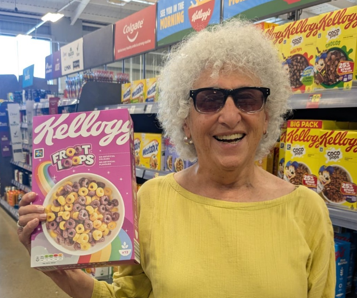
Here’s an update on what’s happening with artificial colors.  But before getting to it, here’s the result of my research trip to England: Froot Loops with no artificial colors.   Check out what they look like.

Iceland Food Warehouse, Oxford. Photo Jean Lavigne.

And now for the latest on the cancelling of artificial color additives.

I think it’s great that these dyes wildl be gone eventually, but removing them is not going to Make America Healthy Again.  Ultra-processed cereals will still be ultra-processed.  Candy will still be candy.

This may be a win, but it’s a distraction from the irrepable damage the Trump administration is doing to our health, education, and healthcare systems.

For analyses of the tension between MAGA and MAHA, see:

Jul 23 2025

RFK Jr wants us to eat more protein (and fats)

HHS Secretary RFK Jr says he thinks we need more dairy foods in our diets.

“I grew up in a world where milk was the healthiest thing that you could eat,. There’s a tremendous amount of emerging science that talks about the need for more protein in our diet and more fats in our diet. And there’s no industry that does that better than this industry.

More protein?  Most Americans already consume more than twice the amount required.  Protein is in all minimally processed foods.  If you eat enough calories, you are getting plenty of protein.

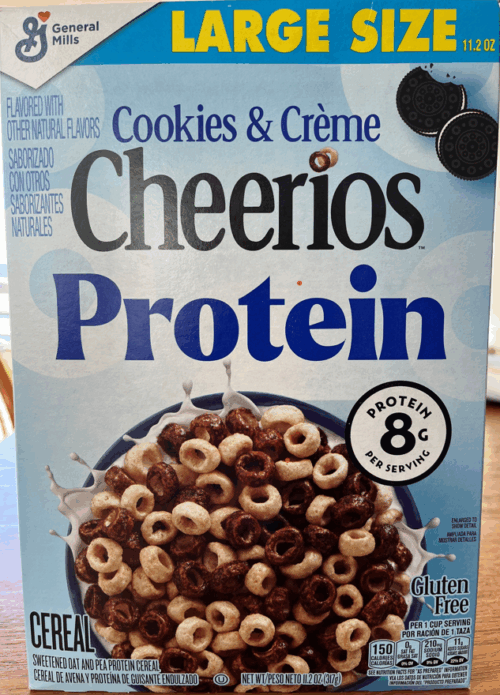
The focus on protein is baffling to nutritionists like me.  Surveys report that 70% of us are trying to eat more protein.

This has led to protein madness.

To give just one example (another nutritionally hilarious product):

Plants have less protein than meat, dairy, or eggs, but those amounts add up.  Their amino acid composition is not as close to ours as are animal foods, but eating a variety of plants takes care of the differences.

RFK Jr’s push of protein and fat translates to a push for eating more meat and dairy foods.  Recall Brooke Rollins’ statement about getting rid of leftist ideologies in the dietary guidelines?  I was guessing that meant eating more plants.

We have to wait and see what the guidelines say when they come out, and I’m braced for it.

Tags: ,
Jul 9 2025

Alcohol in the 2025-2030 Dietary Guidelines: The Rumors

I have no inside information about what the new Dietary Guidelines will say beyond what I’ve read and what RFK Jr has said: They will be coming out soon and will be short and to the point.

But according to Twitter (X), the source of much leaked information, the new administration “plans to introduce partial bans on alcohol advertising, to bring it ‘closer in line with advertising of unhealthy food.'”

And we now have a Reuters’ Exclusive: US to drop guidance to limit alcohol to one or two drinks per day, sources say

Its summary:

  • Americans have long been told to drink two or fewer drinks per day
  • New guidelines due as soon as this month
  • Expected to include brief statement on limiting drinking
  • Alcohol industry faces growing scrutiny of health risks

Reuters’ anonymous sources say “The new guidelines are set to move away from suggesting consumers limit alcohol consumption to a specific number of daily servings, according to the three sources, who asked not to be named to speak freely.”

Reuters also reports:

Major industry players, including Diageo (DGE.L) and Anheuser-Busch InBev (ABI.BR) have lobbied lawmakers throughout the review process. Senate records show the companies spent millions on lobbying efforts related to the guidelines and a range of other issues such as tax and trade in 2024 and 2025. Both companies declined to comment.

What is at stake here?

As I explained in January (Alcohol in the Dietary Guidelines: What the Fuss is About), everyone agrees that too much alcohol is bad for you.  The question is whether any alcohol is bad.

The dietary guidelines have advised since 1990 that women have no more than one drink a day and men no more than two, suggesting that such levels are safe.  But are they?

I discuss the recent reports arguing one way or the other on January 7 (The big fight over alcohol recommendations: not over yet) and January 22 (The Alcohol Saga continues).

Neither RFK Jr nor President Trump drink alochol.

And we have evidence that the Majority of Americans Unaware of Cancer Risks Linked to Alcohol Consumption.

Recent research conducted by The University of Texas MD Anderson Cancer Center unveiled that only approximately 40% of American adults recognize alcohol as a cancer risk factor. This stark gap in knowledge persists despite alcohol’s status as a leading preventable cause of cancer, highlighting the urgent need for enhanced public health communication and policy reforms.

Dietary guidelines are a key component of federal nutrition policy.

I can’t wait to see what they say about alcohol consumption (and everything else), in the light of the MAHA (Make America Healthy Again) agenda.

Jul 8 2025

Some thoughts on the Big Beautiful Bill’s implications for food politics

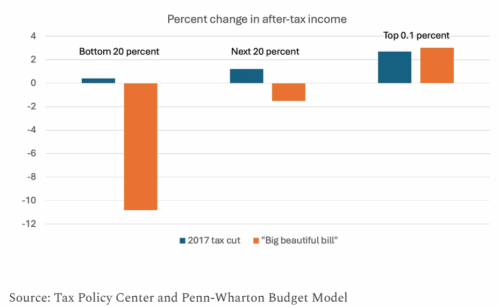
I would be remiss not to comment on congressional passage of the “Big Beautiful Bill” which takes money from the poor and gives it to the rich (see Paul Krugman’s Attack of the Sadistic Zombies).

For what all this has to do with food, take a look at Kevin Klatt’s “6 Months of MAHA: A Reflection and Call to Action.

My summary of his summary of what MAHA and MAGA have done so far:

  • Cut $1 billion from USDA for local food purchases for school lunch and food bank
  • Proposed a 40% cut to the NIH budget (which pays for nutrition research)
  • Made huge cuts to SNAP.
  • Cut WIC fruit and vegetable benefits.
  • Allowed obesity researcher Kevin Hall to resign
  • Cut landmark nutrition trials such as the Diabetes Prevention Program.
  • Defunded major nutrition departments, like Harvard’s.
  • Cut several molecular & community nutrition grants at Cornell.
  • Eliminated USAID, a major funder of global nutrition research and intervention.
  • Disrupted lead exposure programs.
  • Cut FDA and CDC, including the human foods program HFP and food safety lab funding and staff (some reinstated).

Klatt’s point:

At 6 months in, I think it’s time for food and nutrition advocates, scientists and professionals to call out the MAHA agenda for what it is – it’s a movement with the right vibes, the wrong priorities and solutions, headed up by someone with dangerous thoughts on public health who is not going to improve the health of Americans, nutritional or otherwise.

By wrong priorities, I’m thinking color additives (yes, let’s get rid of them, but other things matter more) and seed oils (really, they are healthier than animal fats, especially in large amounts).

There are still real questions about what MAHA will actually do.  I’m waiting for the dietary guidelines and second MAHA report.  Those should reveal the real agenda.

Jul 2 2025

Politics makes strange bedfellows, continued

I was delighted to see this opinion piece in Forbes by Hank Cardello, who writes very much from the food industry’s point of view: The One Big Beautiful Bill To MAHA: Drop Dead.

The so-called “One Big Beautiful Bill” now moving through the Senate proposes sharp cuts to SNAP (food stamps), WIC (Women, Infants, and Children) and Medicaid—programs that are lifelines for low-income families. The contradiction is glaring: How can one branch of government promote healthier eating while another branch strips away the supports that make that possible?

“The bill handicaps MAHA’s goals,” he says, pointing out that reducing benefits for these programs can only “increase food insecurity, making it more difficult for people to afford nutritious food and sustain their health.”

This, he says, is

a political blunder…affordable food has more power to sway voters than tariffs or slogans. Cut these programs, and we widen the gap between what families should eat and what they can eat….Medicaid and SNAP aren’t just social programs—they’re long-term investments in public health and economic stability.

He suggests three ways to make MAHA a reality:

  • Expand SNAP eligibility to include struggling working families just above the poverty line.
  • Recognize food policy as a voter issue, not just a health issue.
  • Lawmakers should stop pretending nutrition policy can succeed without social policy alignment.

COMMENT

Wow.  I could not have said this better myself.  What this tells me is that at least some segments of the food industry fully understand that making people too poor to buy their products is not good for business, let alone for society.  Cardullo always has intelligent things to say about food issues, even when I don’t always agree with them.  On this one, we are completely aligned.  Thanks Hank.

Jun 24 2025

MAHA: Let the lobbying begin

Politico reports: White House invites 46 farm, food groups to discuss MAHA report

The MAHA report, as I’ve written, could have enormous implications for food system businesses.  The problems it describes with the health of America’s children call for policies that could reduce profits for companies that, for example, produce seed oils, food products with color additives, and ultra-processed foods in general.

The secretaries of HHS and USDA have promised to soon issue dietary guidelines to reduce intake of such foods.

Food companies making products targeted by such views are unlikely to be happy with the report.  If past history is any indication, they will lobby for exceptions, exemptions, and delays, and will insist that the proposed measures have no scientific basis (which some indeed do not), violate the First Amendment, and will cost jobs—the playbook that worked for such a long time for the tobacco industry.

The Politico report is behind a paywall, but Helena Bottemiller Evich obtained a list of who has been invited and writes the details in FoodFix: White House holds flurry of industry meetings in wake of MAHA drama. 

Her list shows separate meetings for fruit and vegetable producers and trade groups, and those for meat and dairy, restaurants, grocers, beverage companies (Big Soda), commodity groups, and Big Ag.

Oh to be a fly on those walls.

It’s hard for me to believe that this administration will do anything to reduce business interests, and early indications are that RFK Jr is merely calling for companies to take voluntary actions, and individuals to take personal responsibility—neither of which is likely to have any chance of Making America Healthy Again.

I look forward to seeing what they do with the dietary guidelines and the next MAHA Commission report on policy—both expected by the end of the summer, apparently.  Stay tuned.